
Prague, 10-11 November 2026
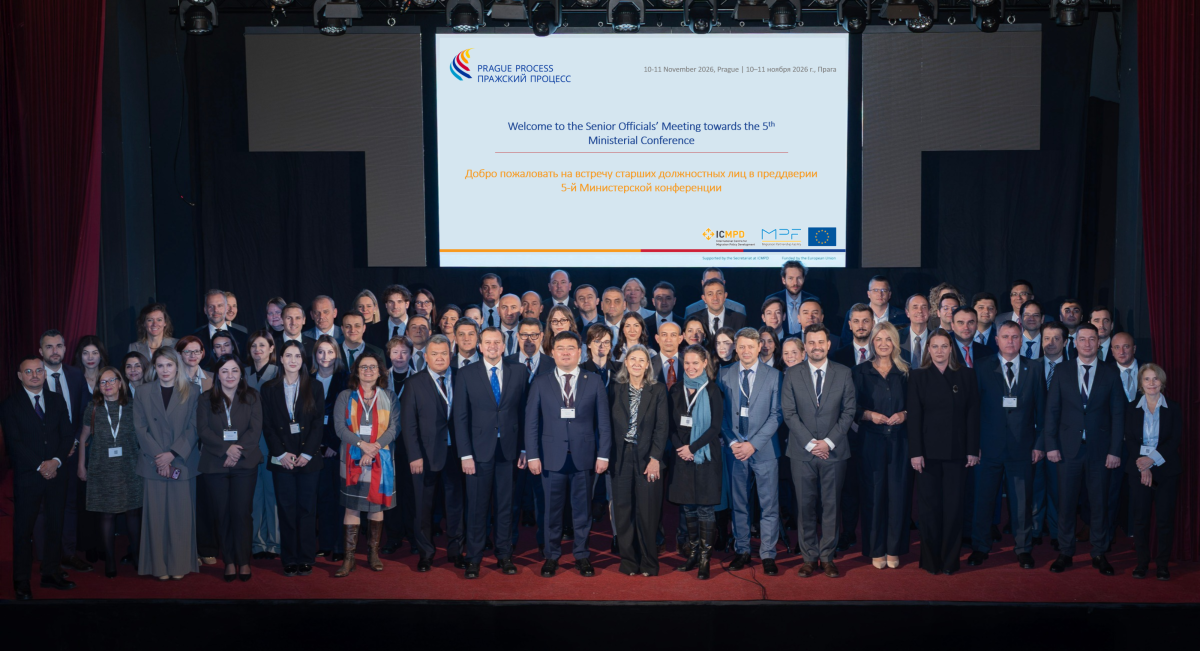
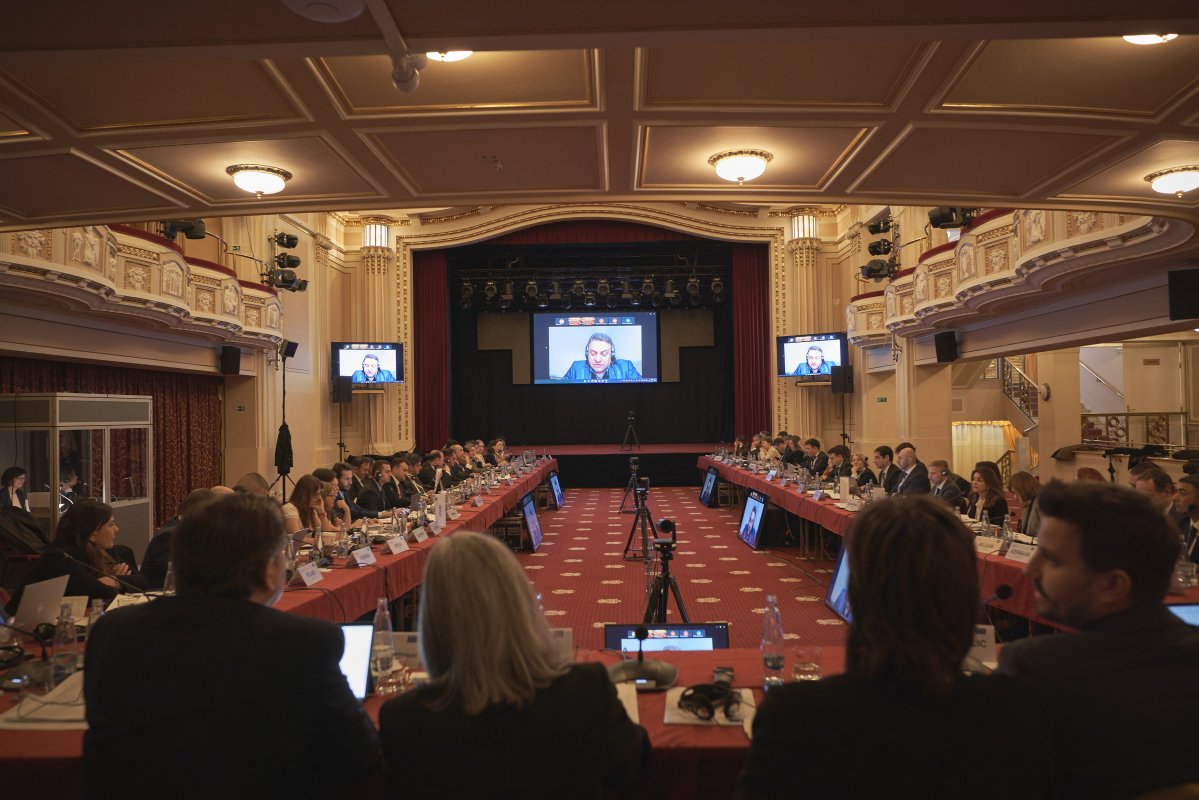
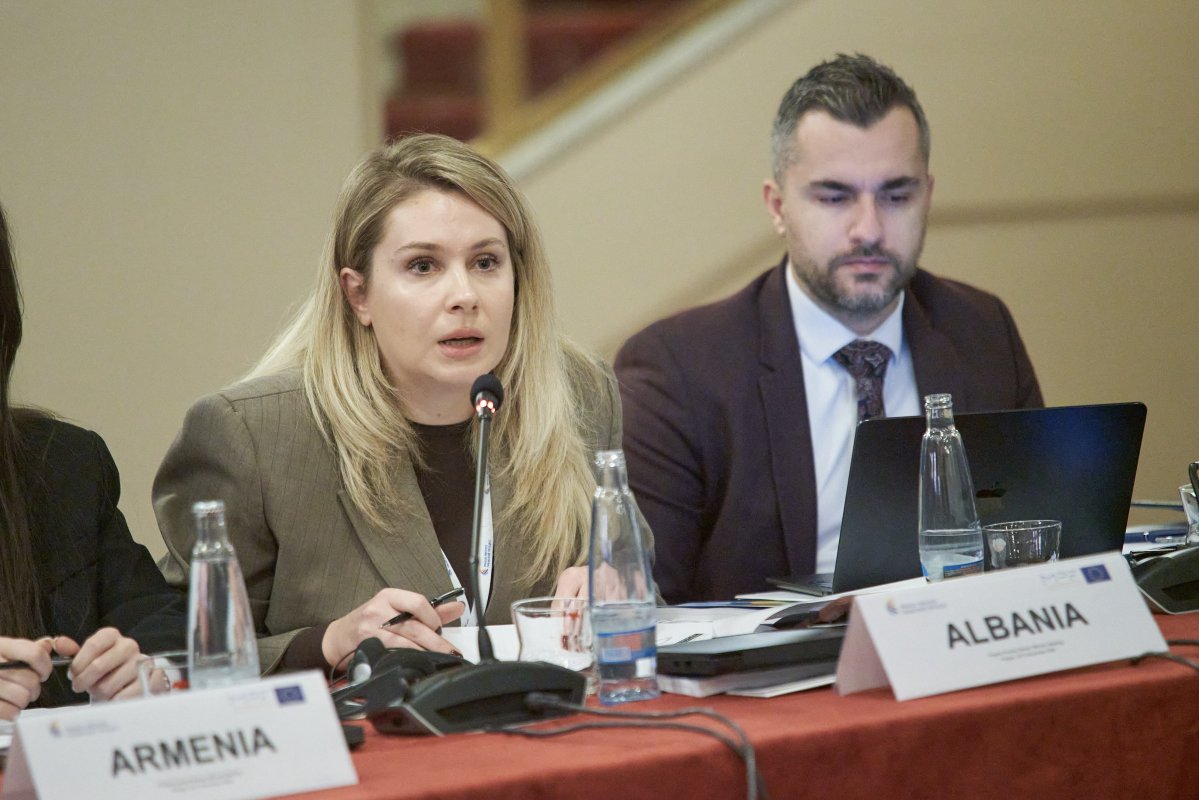
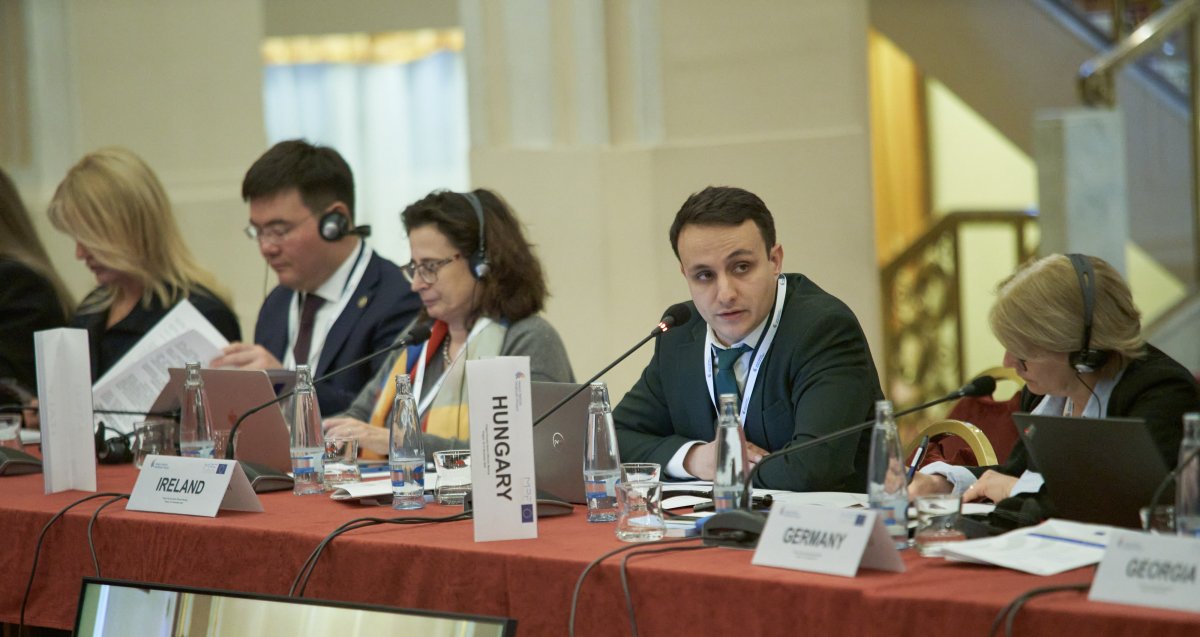
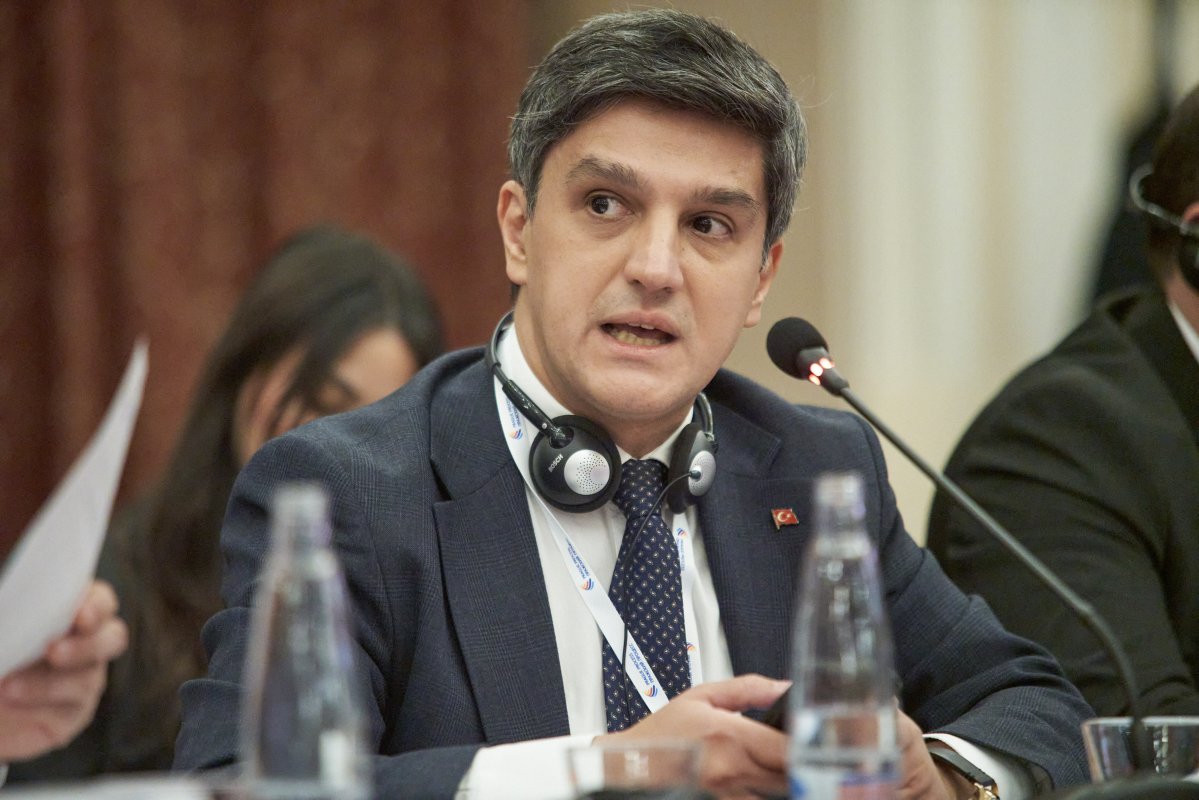
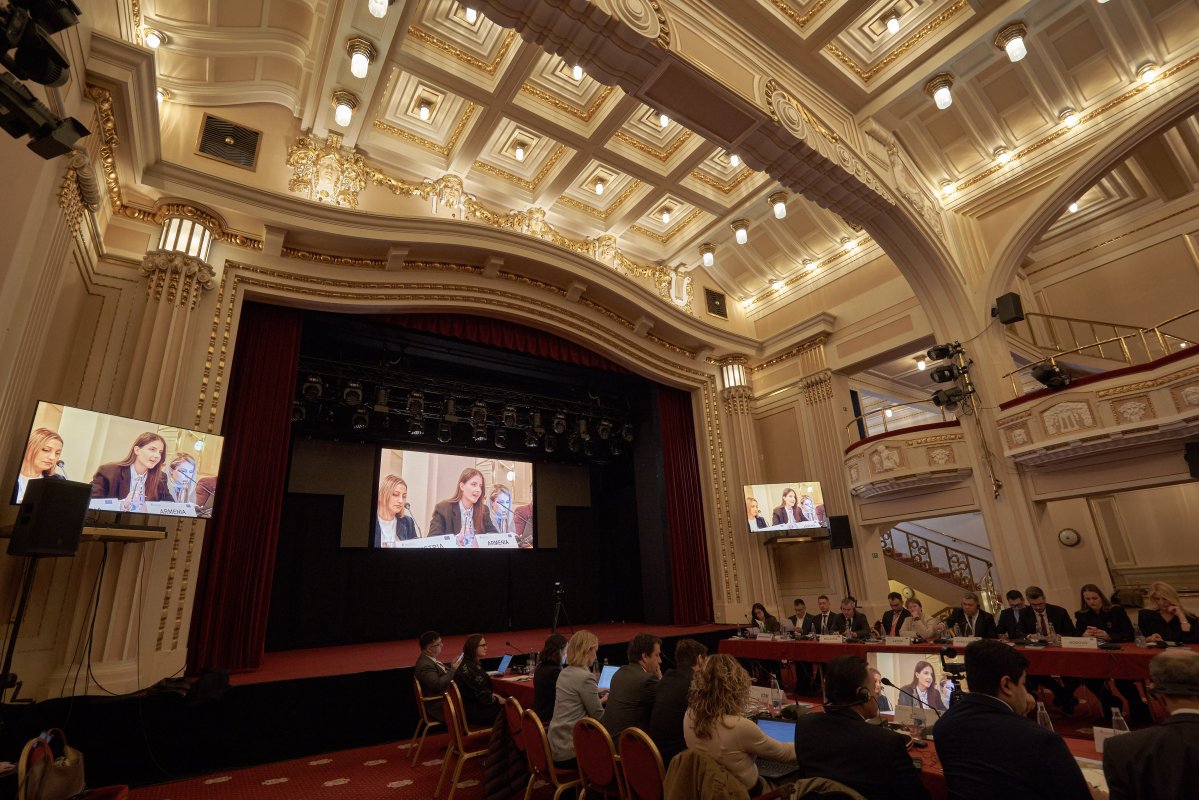
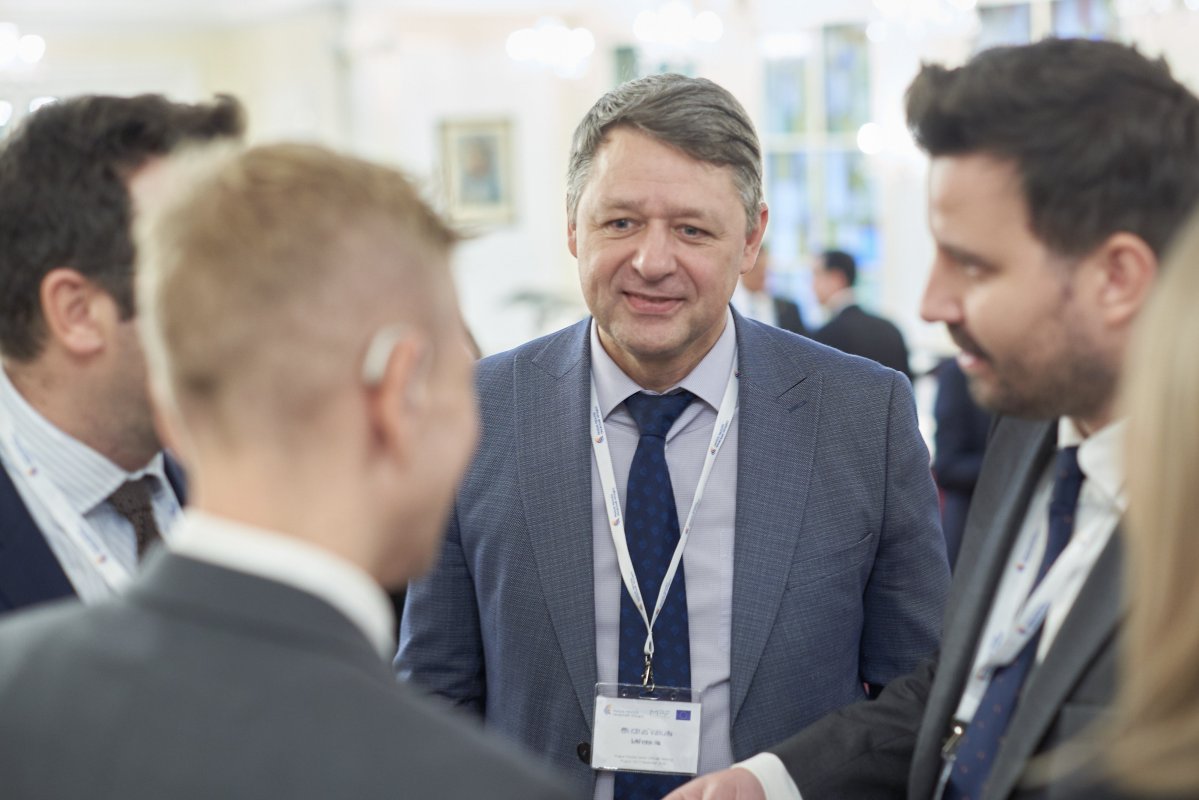
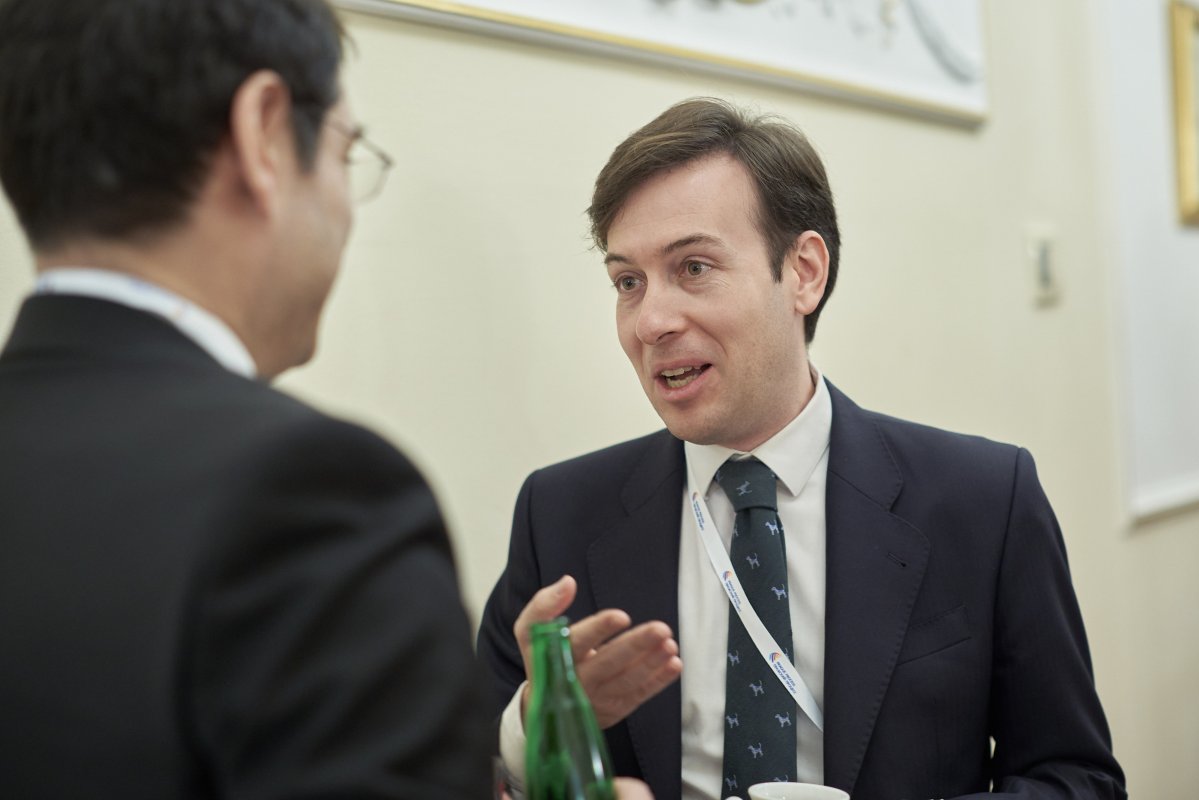
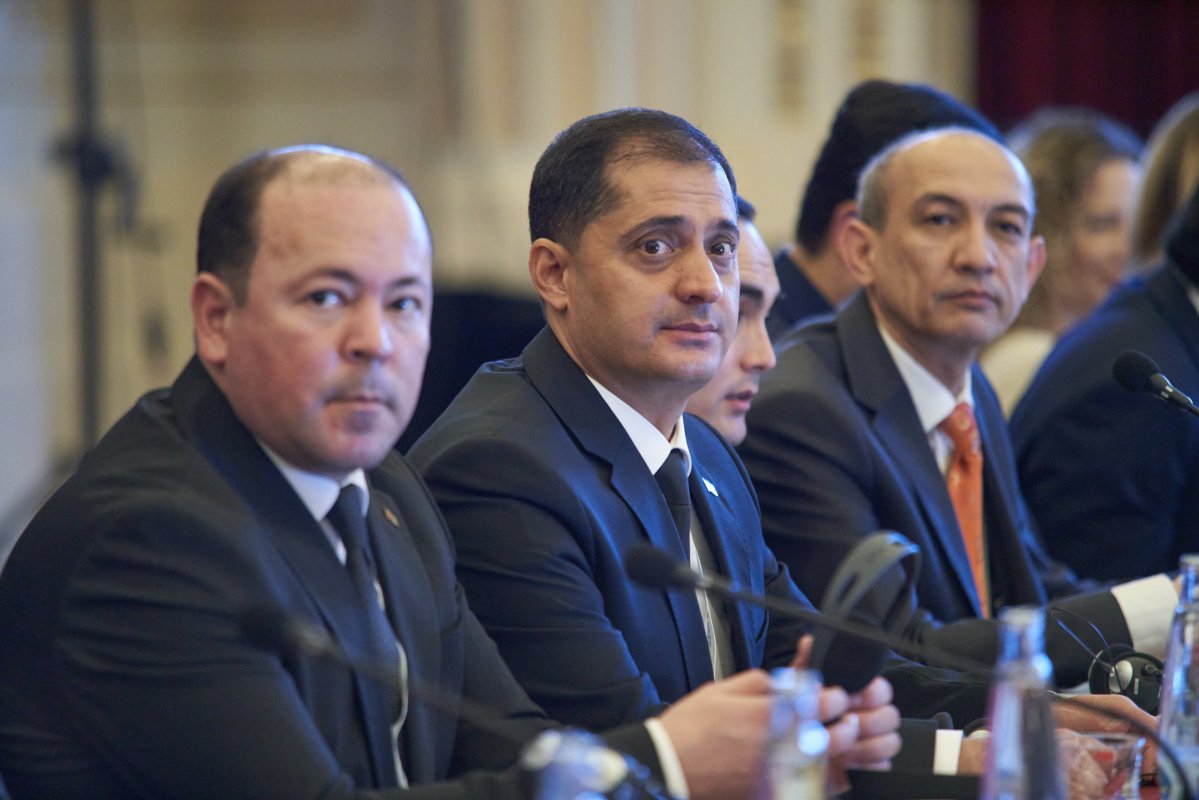
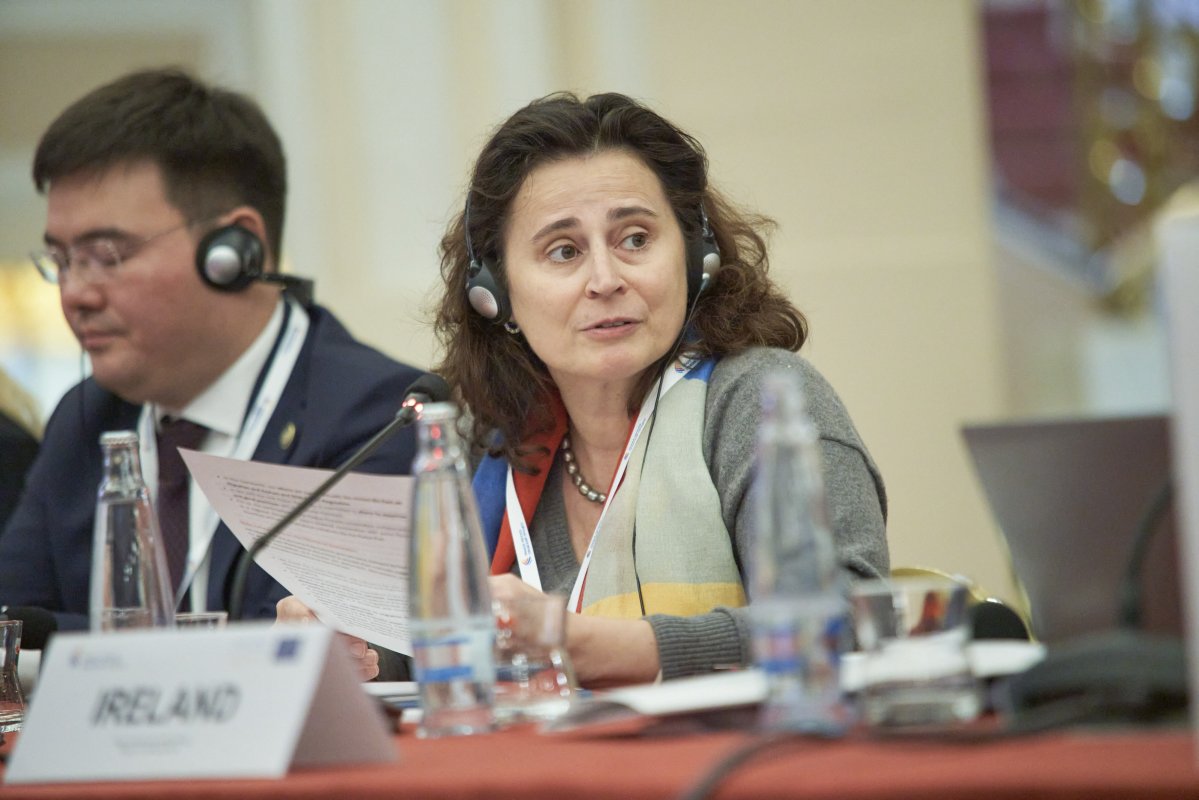
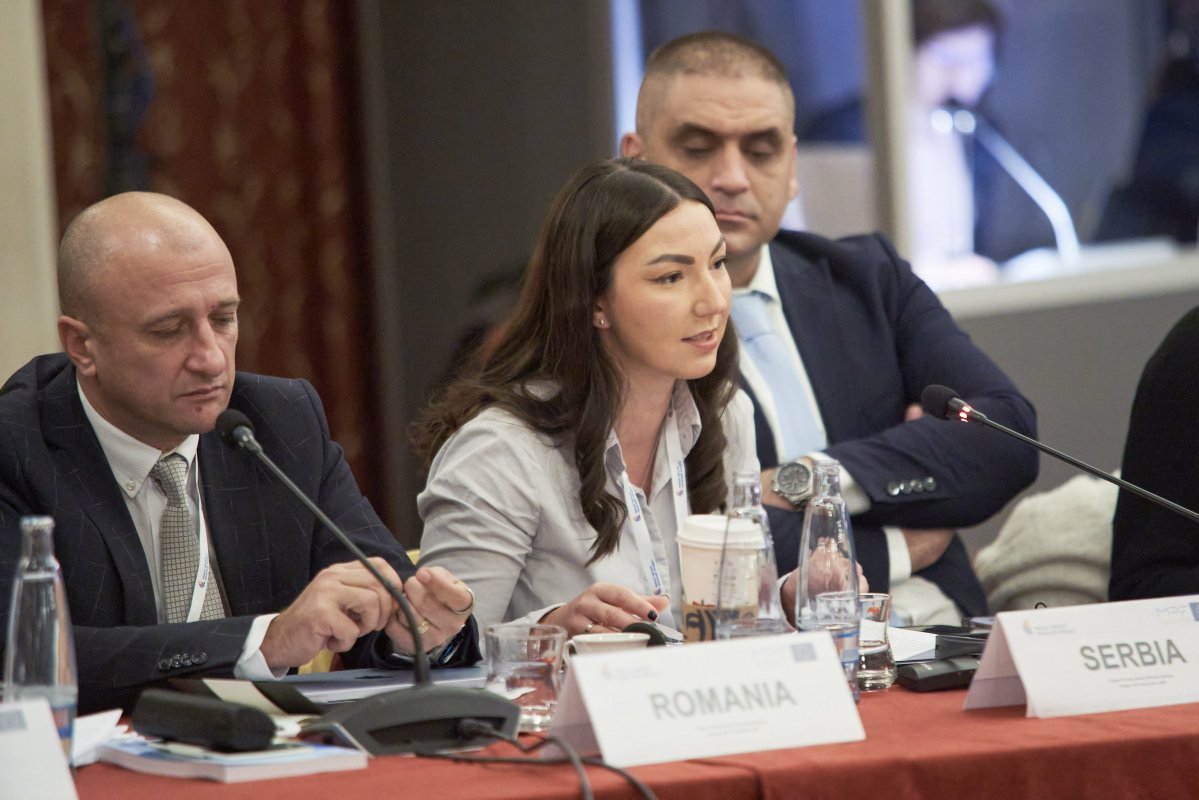
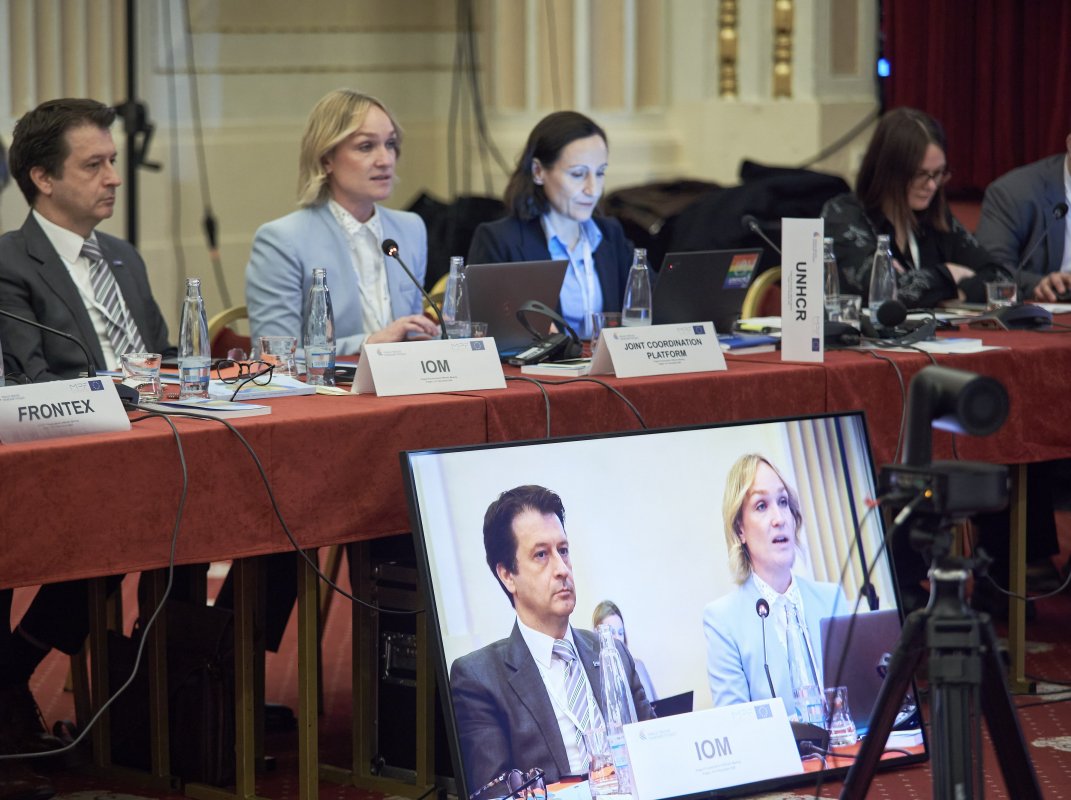
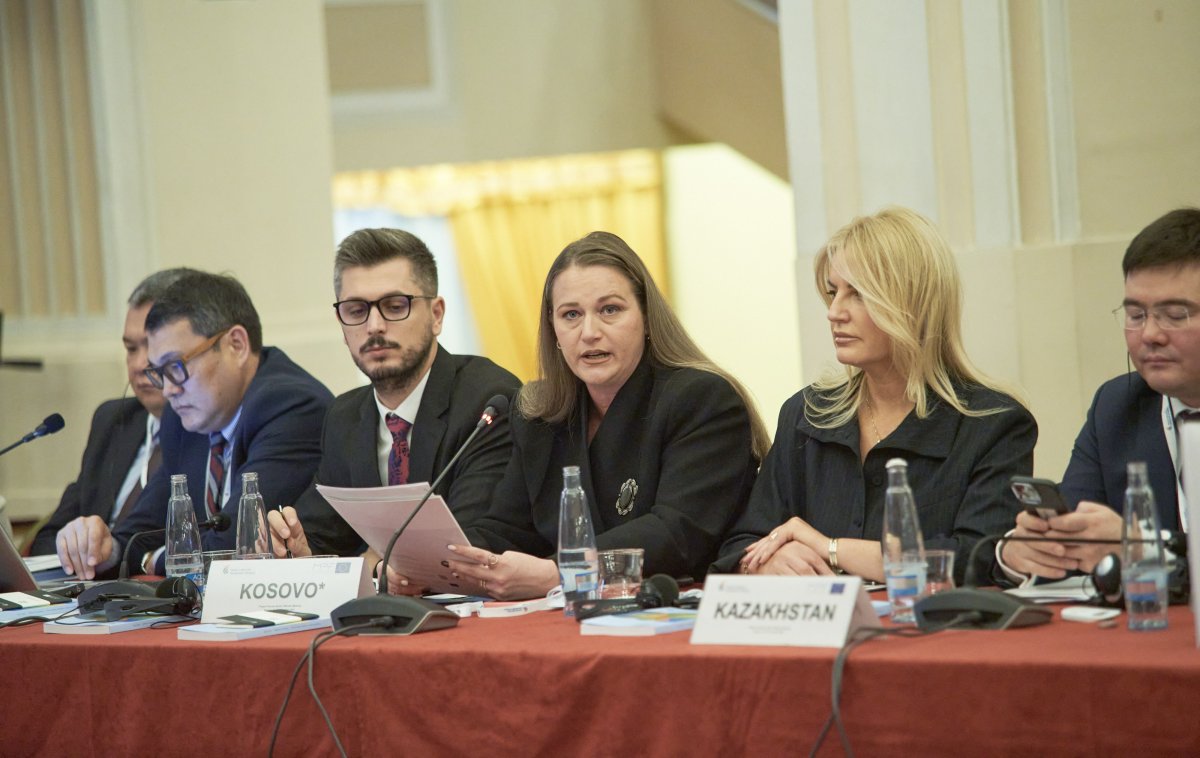
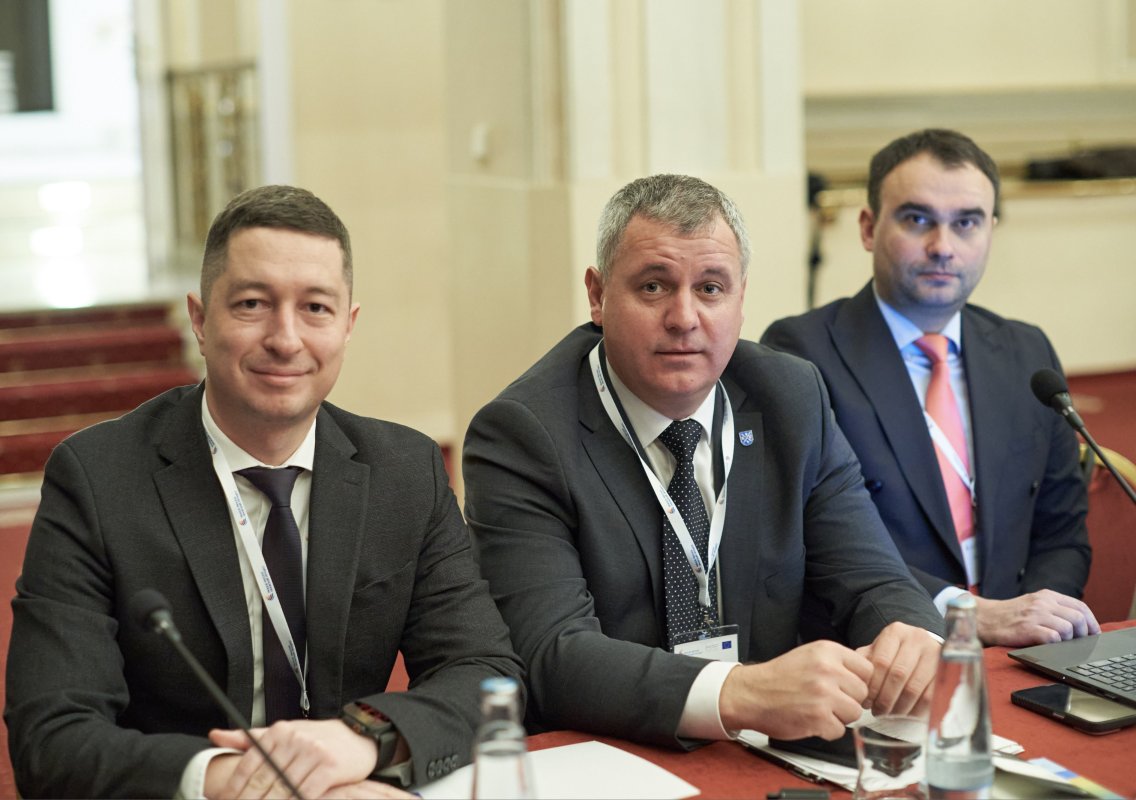
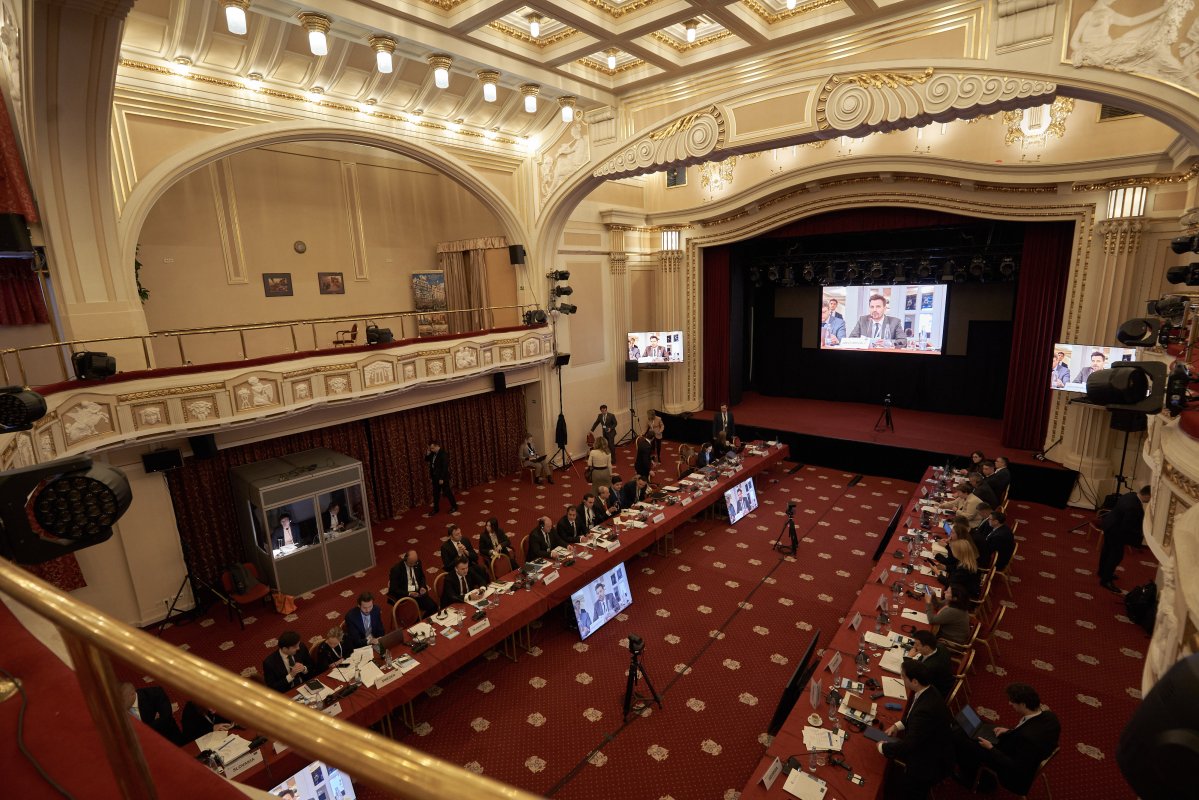
Over 80 representatives of 33 states, the European Commission, EU agencies and international organisations gathered in Prague for the second preparatory Senior Officials Meeting ahead of the 5th Prague Process Ministerial Conference in January 2027.
Hosted by the Ministry of the Interior of the Czech Republic, the meeting provided an important opportunity to take stock of the ongoing Prague Process cooperation and shape its future direction.
Assessing the ongoing cooperation
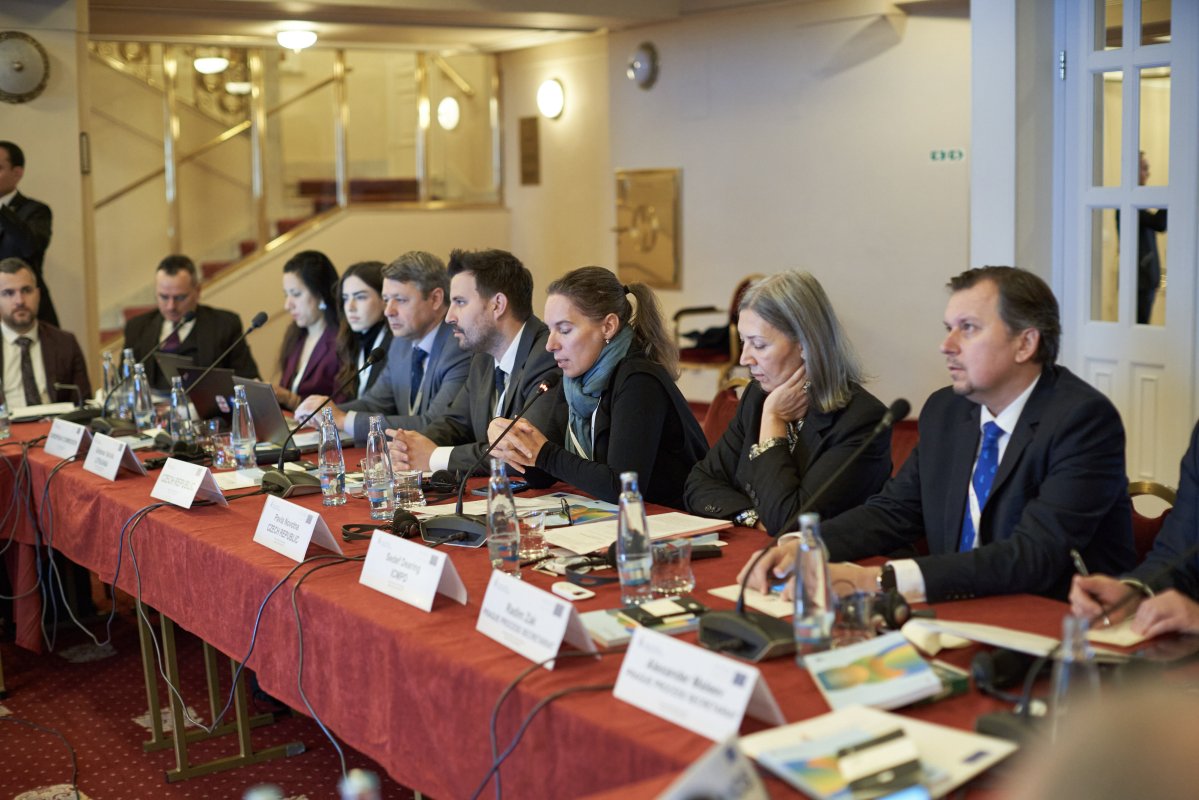
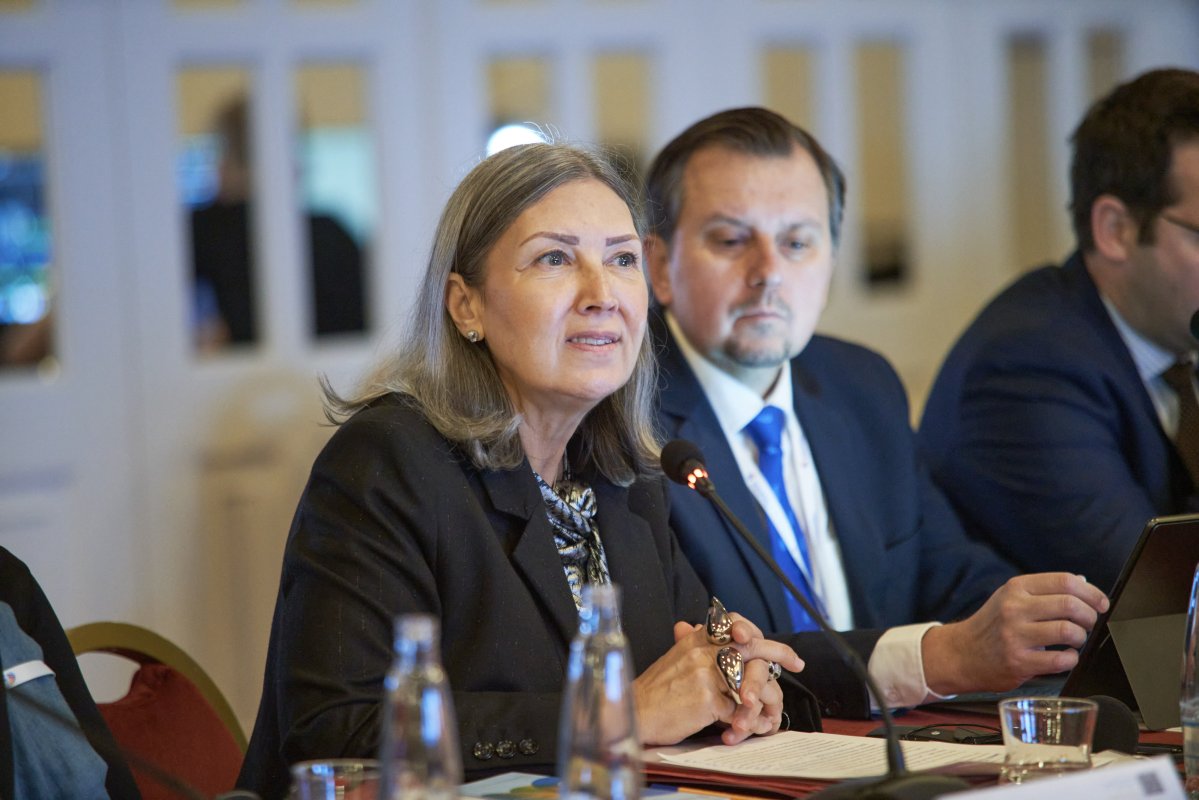
In their opening remarks, representatives of the Czech Republic, the Irish Presidency of the Council of the European Union, the European Commission and ICMPD underlined the continued relevance of regional cooperation, strong institutional capacities and partnerships in addressing shared migration challenges.
Participants assessed the results achieved under the four main pillars of work - Dialogue, Migration Observatory, Training Academy and four Thematic Components – recognising their contribution to improving shared understanding, migration governance and practical cooperation across the region.
The adaptive and demand-driven nature of the Process was also underlined, including its important contribution to the successful operationalisation of Ukrainian Consultation and Community Centres in several EU Member States, as well as Migrant Resource Centres in Kyrgyzstan, Tajikistan and Uzbekistan. Their services provide tangible support to potential migrants and displaced populations.
Participants stressed the need to strengthen the links between political dialogue and practical implementation, leading to tangible results, stronger institutional capacities and practical benefits for national migration governance.
Shaping the future of regional migration cooperation
Participants welcomed the revised draft Action Plan 2028-2032, its streamlined structure and continued focus on the six established thematic areas. They appreciated the emphasis on cross-cutting priorities and called for further strengthening of operational cooperation and regional partnerships.
The draft Ministerial Declaration was welcomed as a comprehensive basis for the future direction of the Prague Process and political commitment to it, stressing the importance of fundamental rights, protection-sensitive migration management, non-refoulement, preparedness and resilience, as well as responsible use of digital technologies.
The Ministry of Interior of Lithuania, as the incoming Presidency of the Council of the EU, provided an update on the organisational preparations for the upcoming Ministerial Conference in Vilnius.
Senior Officials reaffirmed the importance of the Prague Process as a platform for sustained dialogue and practical cooperation among countries of origin, transit and destination. Against a backdrop of geopolitical uncertainty, ongoing conflicts, evolving migration patterns and emerging security challenges, they emphasised the need for more coordinated, forward-looking and adaptable policy responses. The meeting concluded with a shared commitment to preserving the strengths of the Process while making its next phase more focused, operational and results oriented.