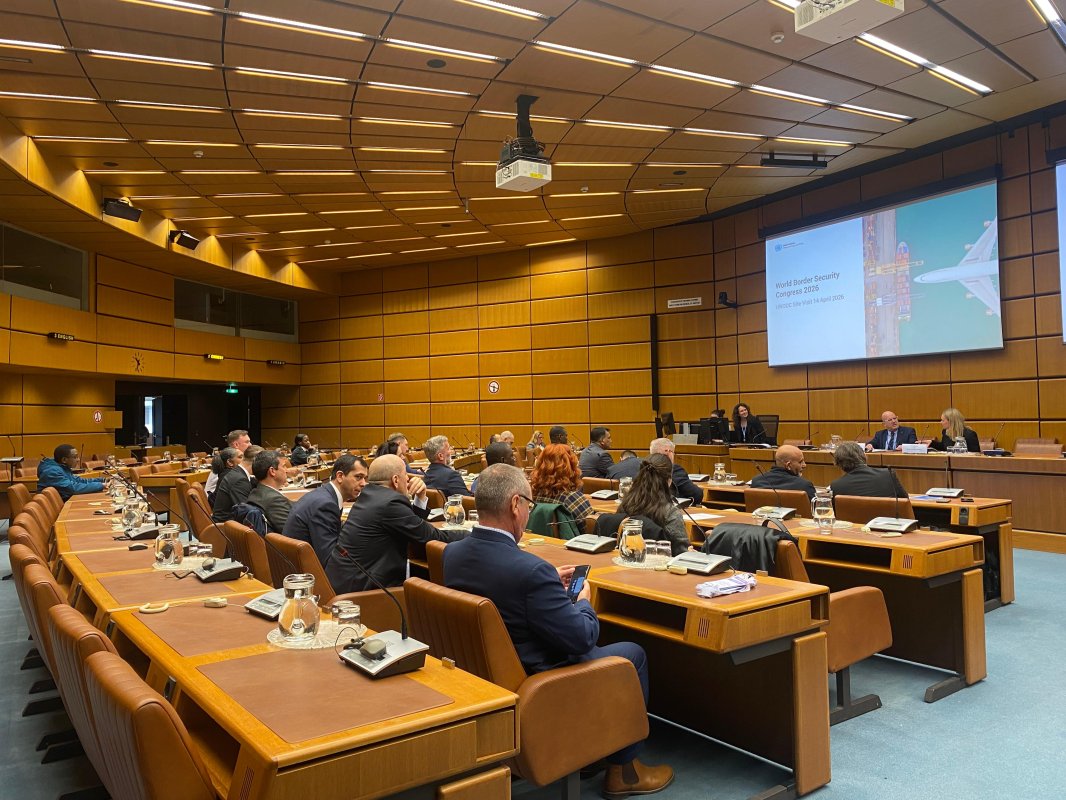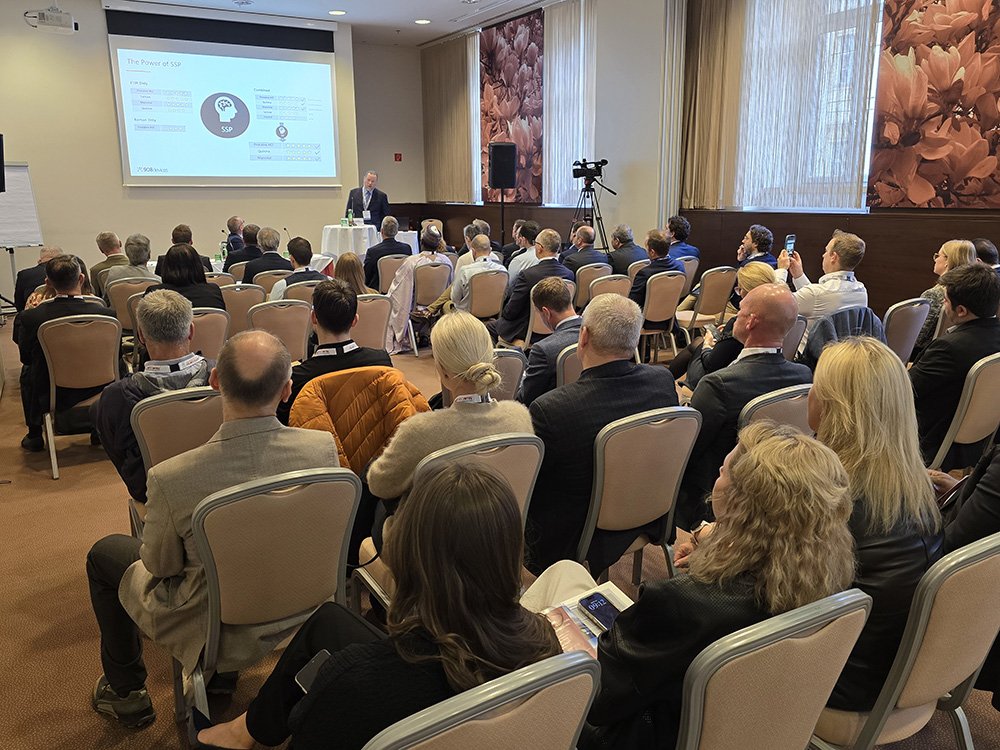

On 14-16 April 2026, representatives of 13 Prague Process states attended the 15th edition of the World Border Security Congress (WBSC) in Vienna. The event brought together over 500 experts, senior policymakers, industry experts and practitioners from 80 countries, including representatives of EC, FRONTEX, EUROPOL, INTERPOL, IOM, UNODC, UNOCT and OSCE. The Congress once again provided a platform for dialogue on emerging threats, technological innovation, as well as an outlook on the future of border management and migration governance.
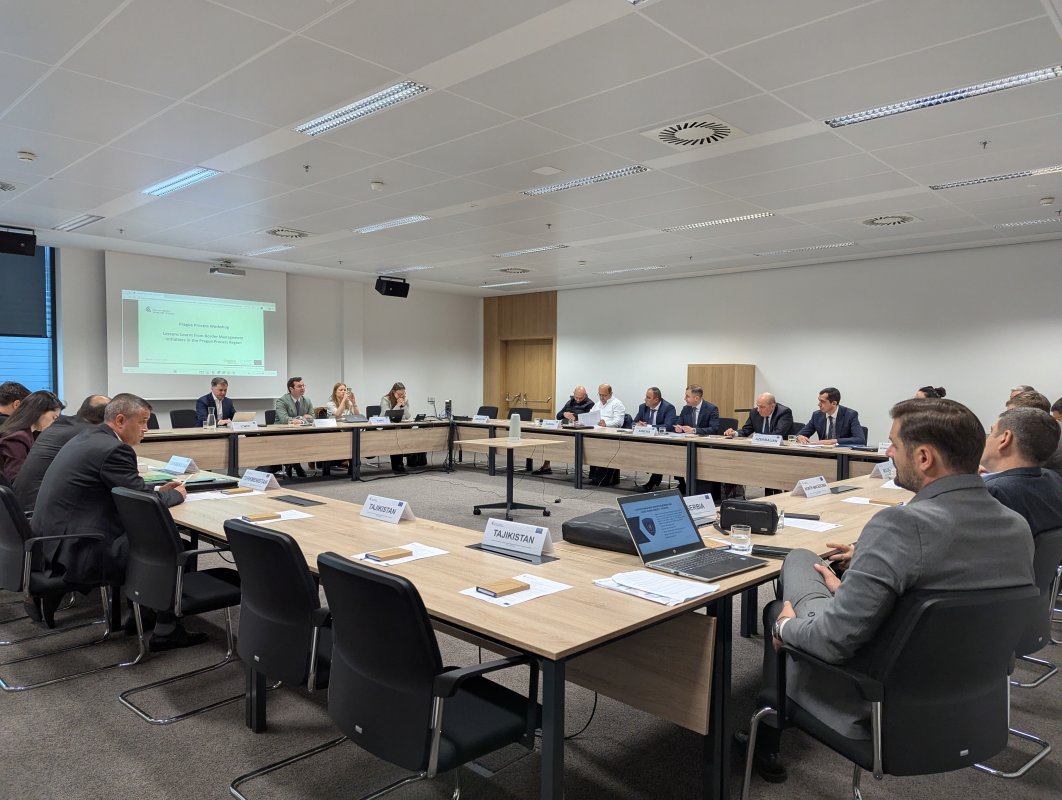
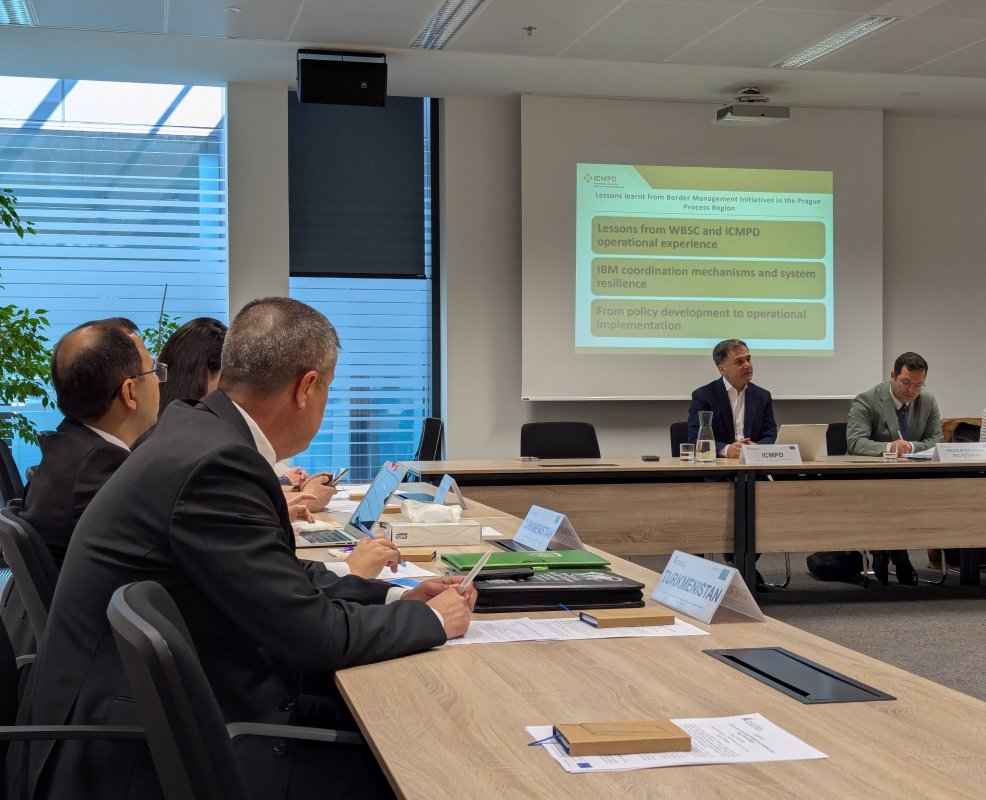
Following the WBSC and building on its findings, the Prague Process organised a dedicated workshop, gathering its participating states to reflect on lessons learned and translate global insights into regional and national policy perspectives.
The WBSC: A Platform for Cooperation and Innovation
The WBSC focused on the growing complexity of border management in a rapidly changing geopolitical landscape. Ongoing conflicts, transnational organised crime, irregular migration, and cyber-enabled threats continue to expand the responsibilities of border authorities worldwide.
Discussions throughout the 2,5-day programme highlighted the need for stronger international cooperation, enhanced intelligence-sharing mechanisms, and the integration of advanced technologies into border management policies. Plenary sessions and thematic workshops explored topics such as counterterrorism and border security, inter-agency cooperation, and trends in irregular migration, highlighting the need for integrated and adaptive border governance, balancing security and facilitation through rights-based approaches and legal migration pathways. Strengthening capacity building and training was identified as essential to address these challenges and ensure effective border management.
Technology remained a central theme, with particular attention given to artificial intelligence, biometric systems, digital travel solutions, and data-driven risk analysis. At the same time, participants emphasized the importance of balancing innovation with data protection, privacy considerations, and fundamental rights.
The Congress strongly resonated with the Prague Process Action Plan 2023-2027 and the objectives of the Digital Lab and Resilience Hub by addressing preparedness, digitalisation, as well as use and integration of modern border technologies.
A site visit to the UNODC provided an overview of its key border security and management programmes, such as the Passenger and Cargo Control Programme (PCCP), laboratory and forensic services. The visit highlighted practical operational models, including joint inter-agency units (e.g. airport interdiction task forces and port control units), application of a chain-of-custody approach from detection to prosecution, as well as tools such as advanced risk profiling, canine teams, and data-sharing systems. It also highlighted UNODC’s work on human trafficking and migrant smuggling, emphasising a victim-centred approach, investigative support, and capacity building.
The exhibition of cutting-edge technological solutions, border management tools and products by the private sector allowed participating states to explore the newest developments and improve their knowledge.
From Global Dialogue to Regional Action
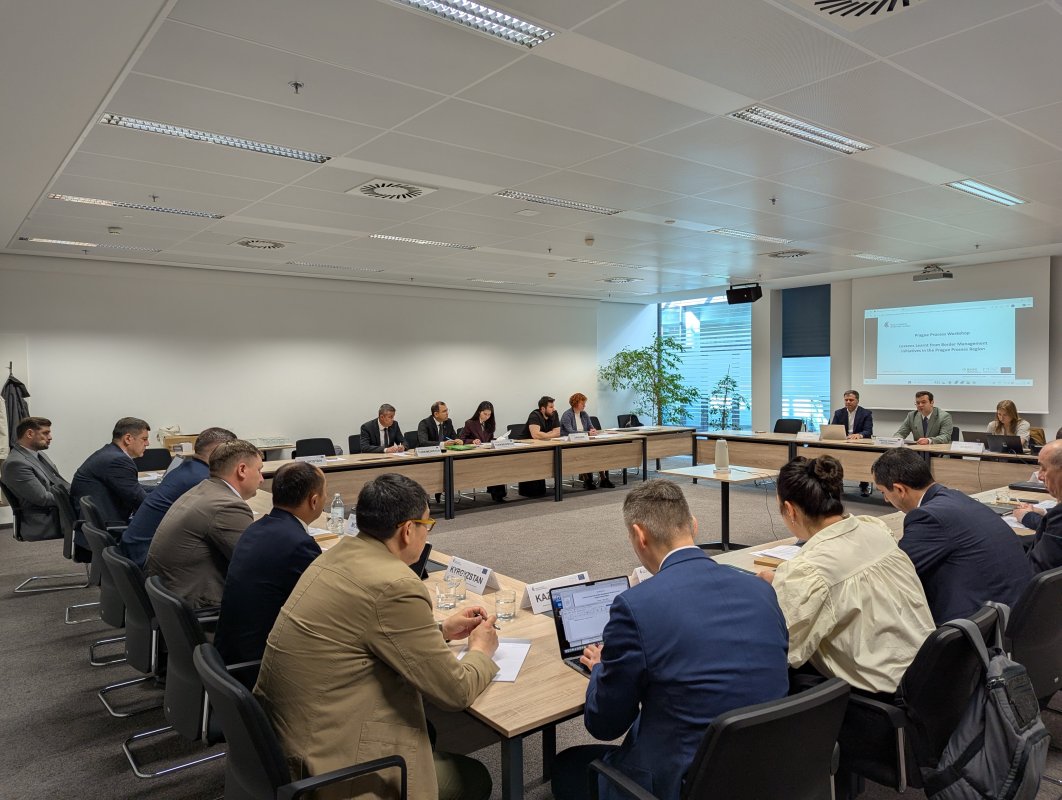
On 17 April, the Prague Process workshop “Lessons Learnt from Border Management Initiatives in the Region” allowed the 13 non-EU Prague Process states to reflect on the WBSC discussions while sharing their own national experiences and recent policy changes. The workshop highlighted the importance of promoting Integrated Border Management and addressing the increased use of modern technologies as also proposed by the Prague Process Action Plan 2023–2027.
Participating states also learned about ICMPD’s good practices in regional cooperation and capacity building, IBM coordination mechanisms, the BOMCA programme, and funding opportunities under the Migration Partnership Facility supporting national border management priorities.
The workshop underscored five key priorities:
- preventing and reducing irregular migration,
- advancing Integrated Border Management,
- strengthening inter-agency coordination and operational cooperation, and
- leveraging modern technologies and digital solutions, while
- ensuring the protection of fundamental rights alongside effective border security.
Shared Challenges and National Perspectives
Discussions highlighted continued pressure from irregular migration, especially along key routes alongside resource constraints and the need for stronger regional cooperation. Many countries are advancing EU-aligned reforms, in particular candidate countries, investing in infrastructure, biometrics, and legal frameworks. However, gaps in staffing, equipment, and training persist, making capacity building a priority. Inter-agency and international cooperation remain essential, particularly with organisations such as Frontex, Europol, Interpol, IOM and ICMPD.
Technology and Innovation in the Region
While the Congress showcased cutting-edge technological solutions (AI, biometrics and data systems), the workshop discussions provided a grounded perspective on their implementation. Many countries acknowledged the potential of AI and advanced digital tools but emphasized that foundational capacities, such as staffing, infrastructure, and interoperability, must first be strengthened.
Digitalisation remains a priority, particularly in areas such as biometric identification, entry-exit systems, and risk analysis. However, participants stressed the importance of ensuring that new technologies are fully integrated into existing systems, are supported by high-quality, reliable data and by appropriate training and legal frameworks.
Overall, both the Congress and the Workshop underscored the vital role of training and capacity building to equip border professionals with the skills needed for emerging technologies, evolving threats and operational excellence. The activity allowed participating states to exchange and align on policy development, pool operational experience, and jointly address persistent gaps in interoperability, capacity, and coordinated responses along shared migration routes.
To learn more, explore the Congress’s website and the latest issue of the Border Security Report (March/April 2026), published by the WBSC organizers, available here.