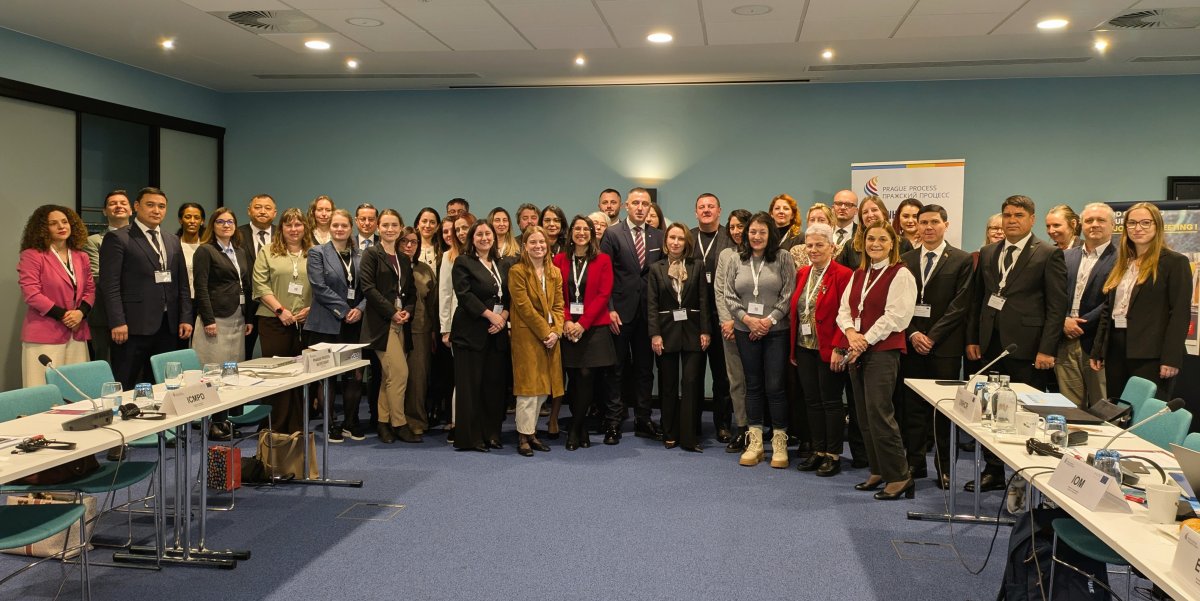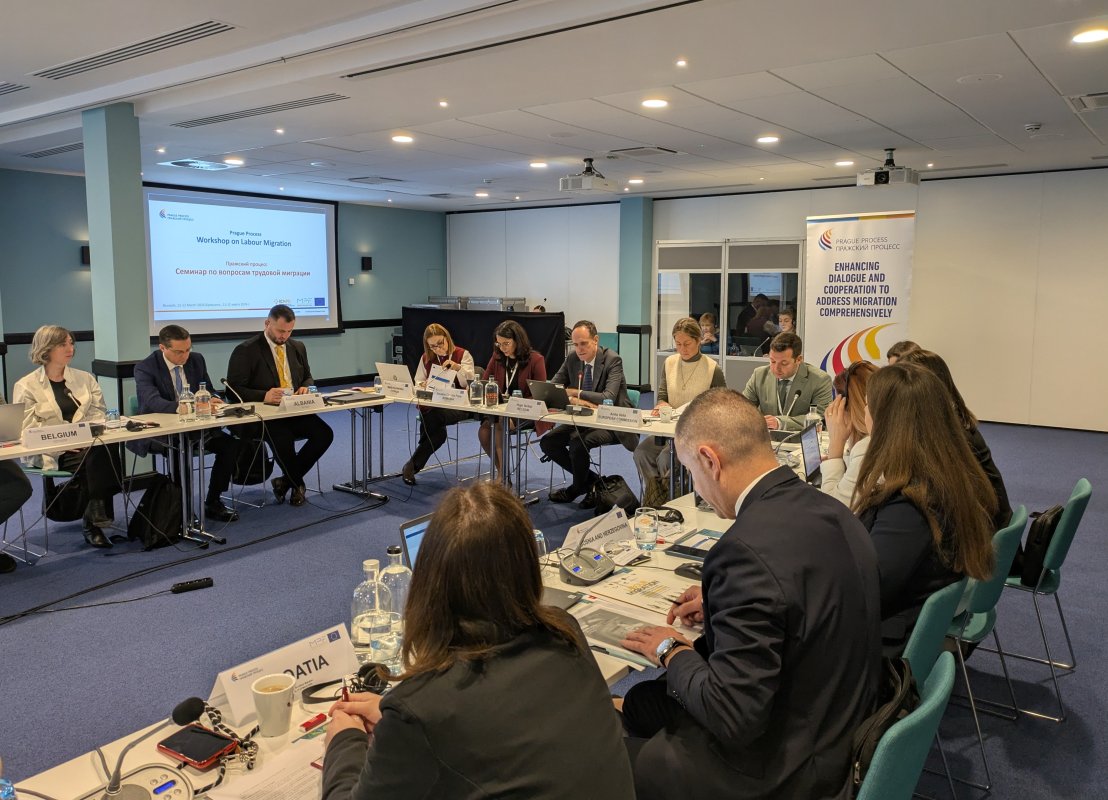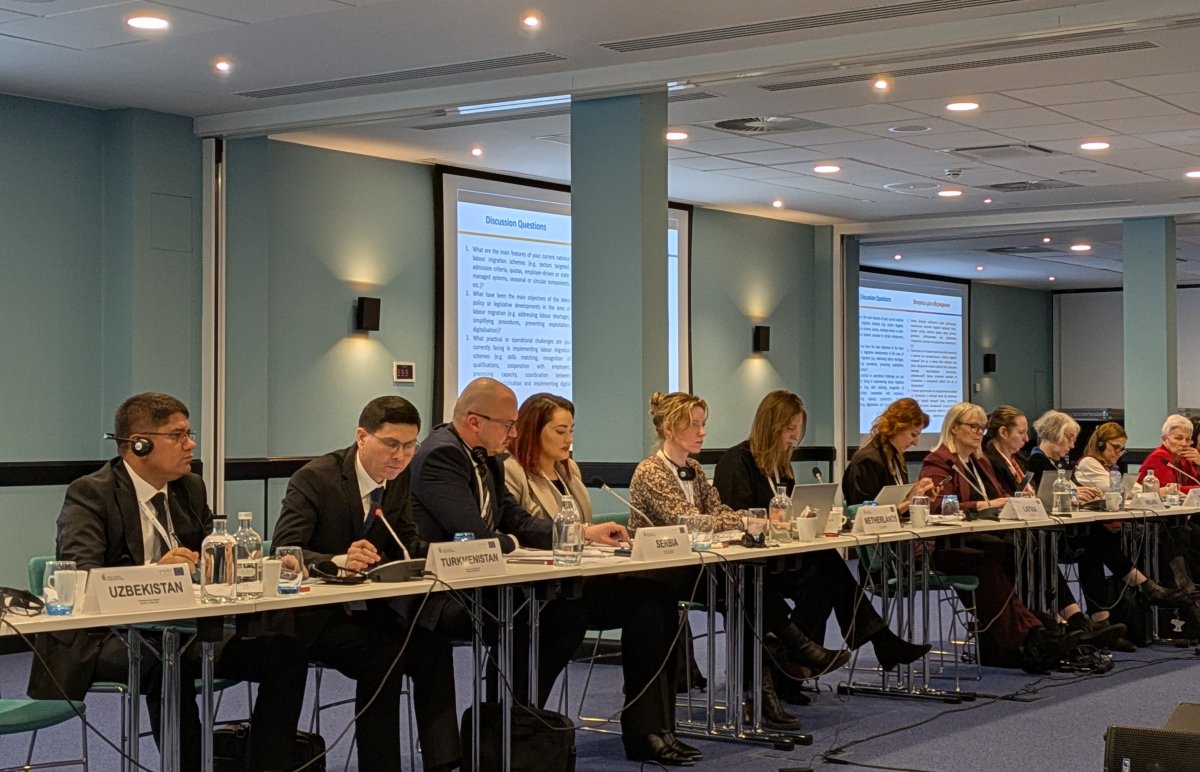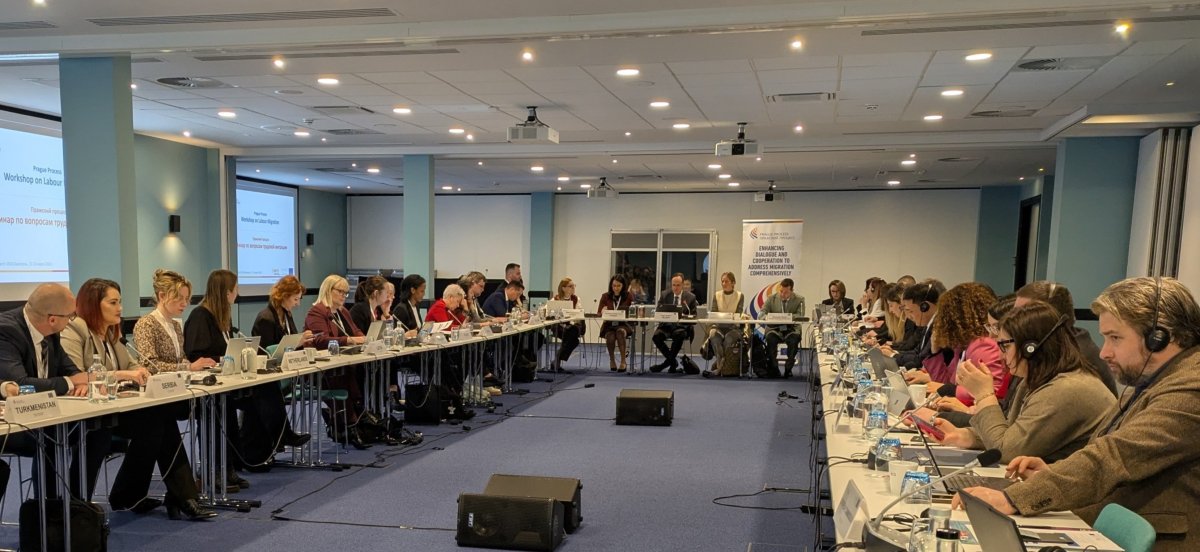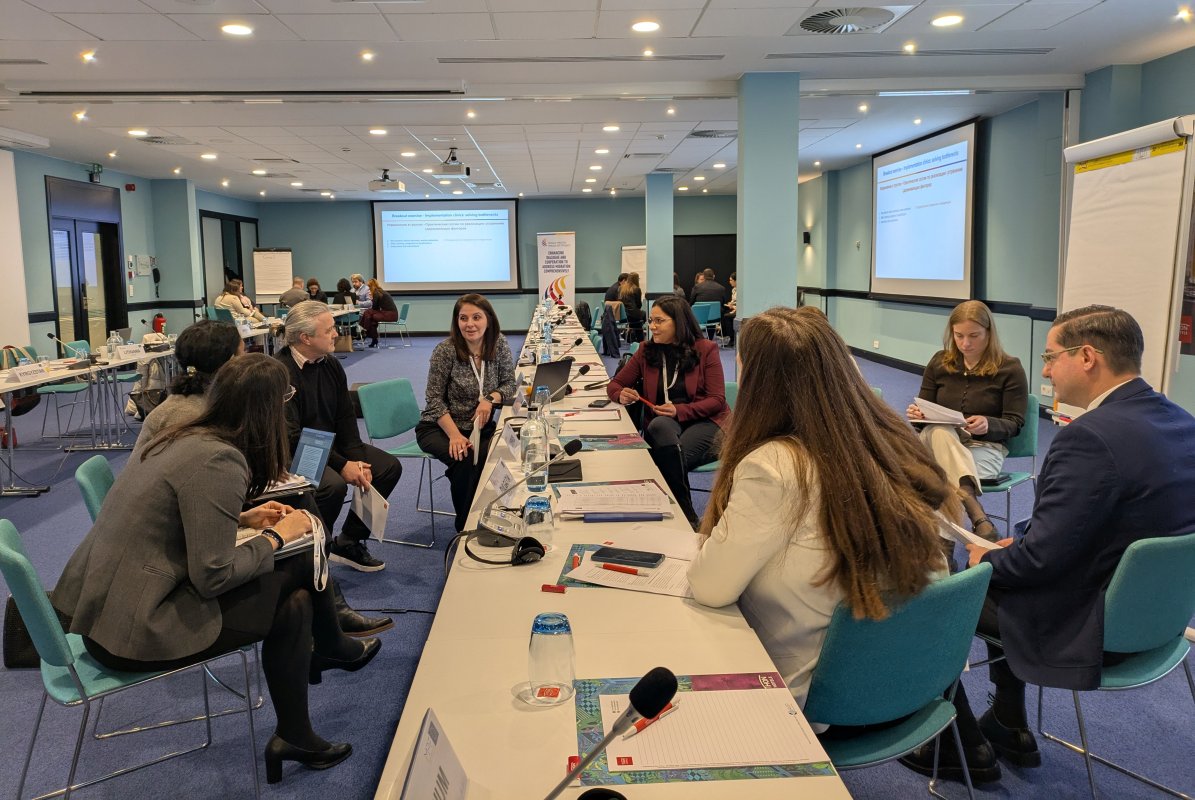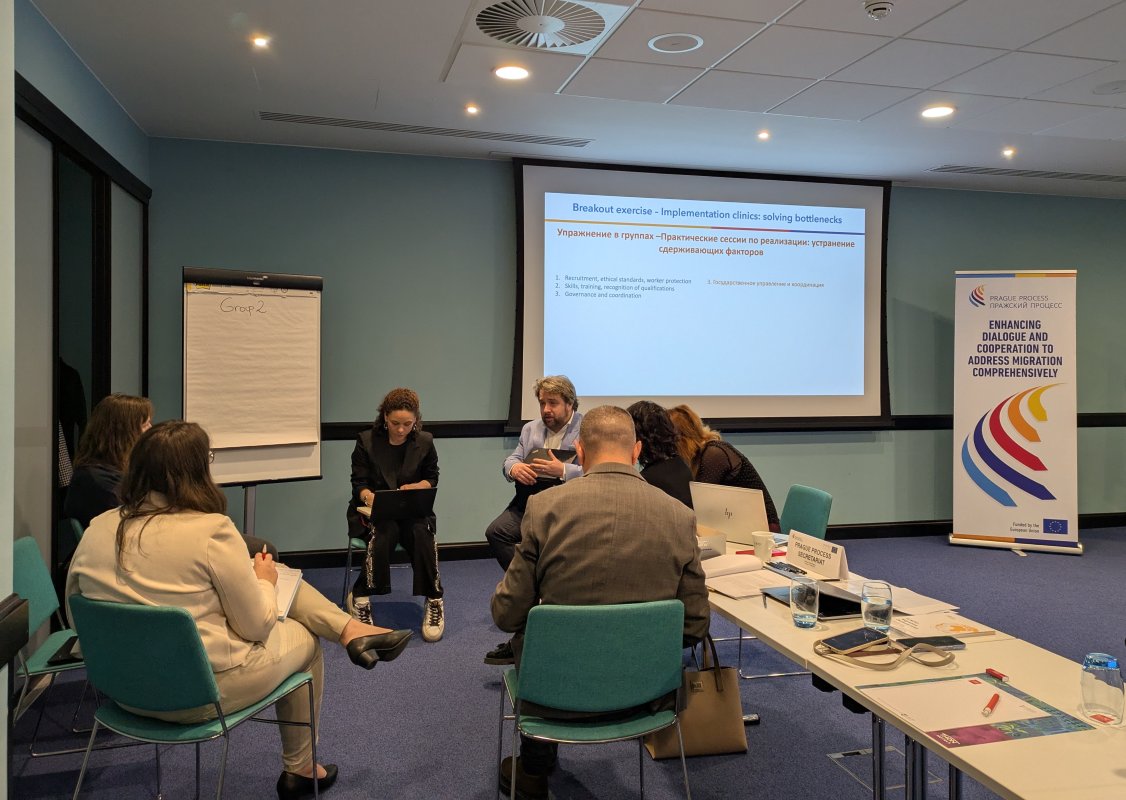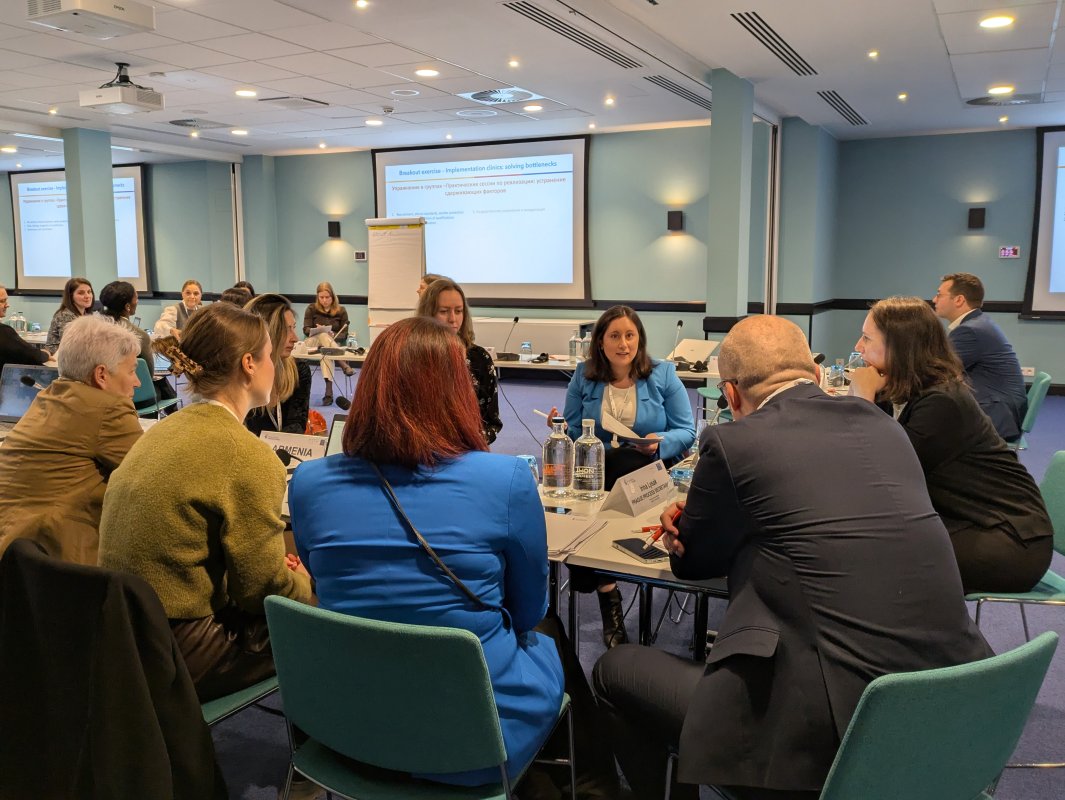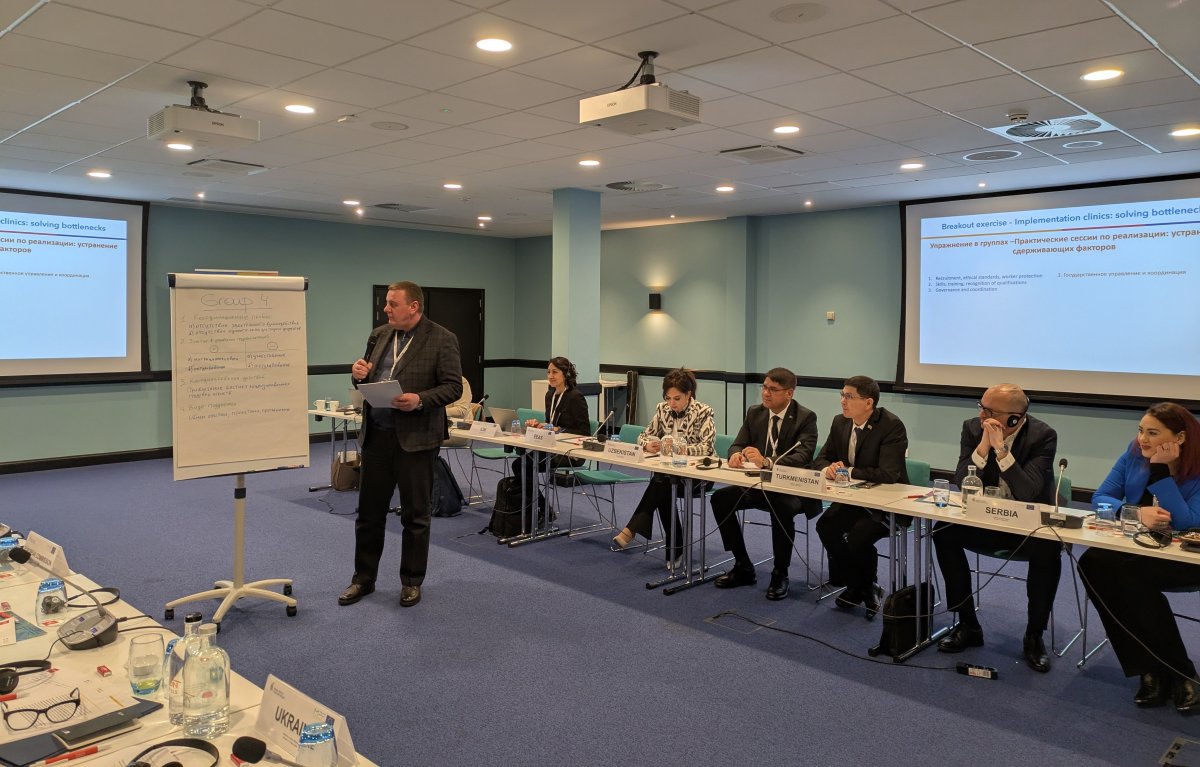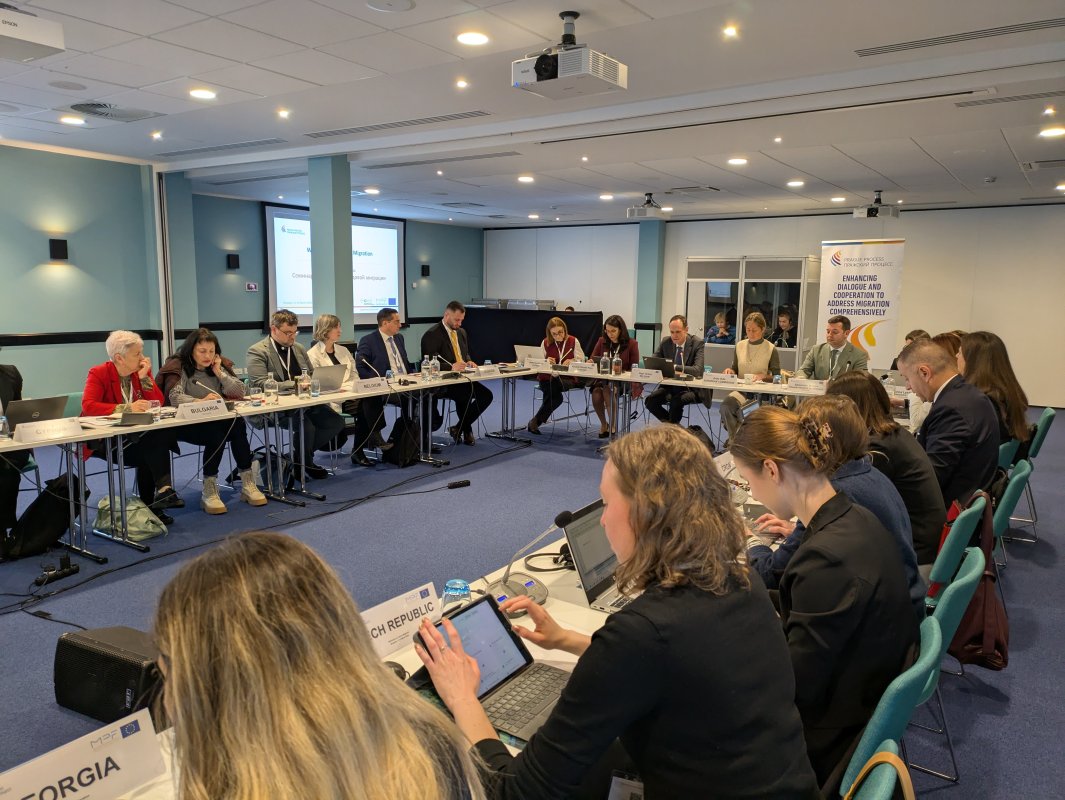
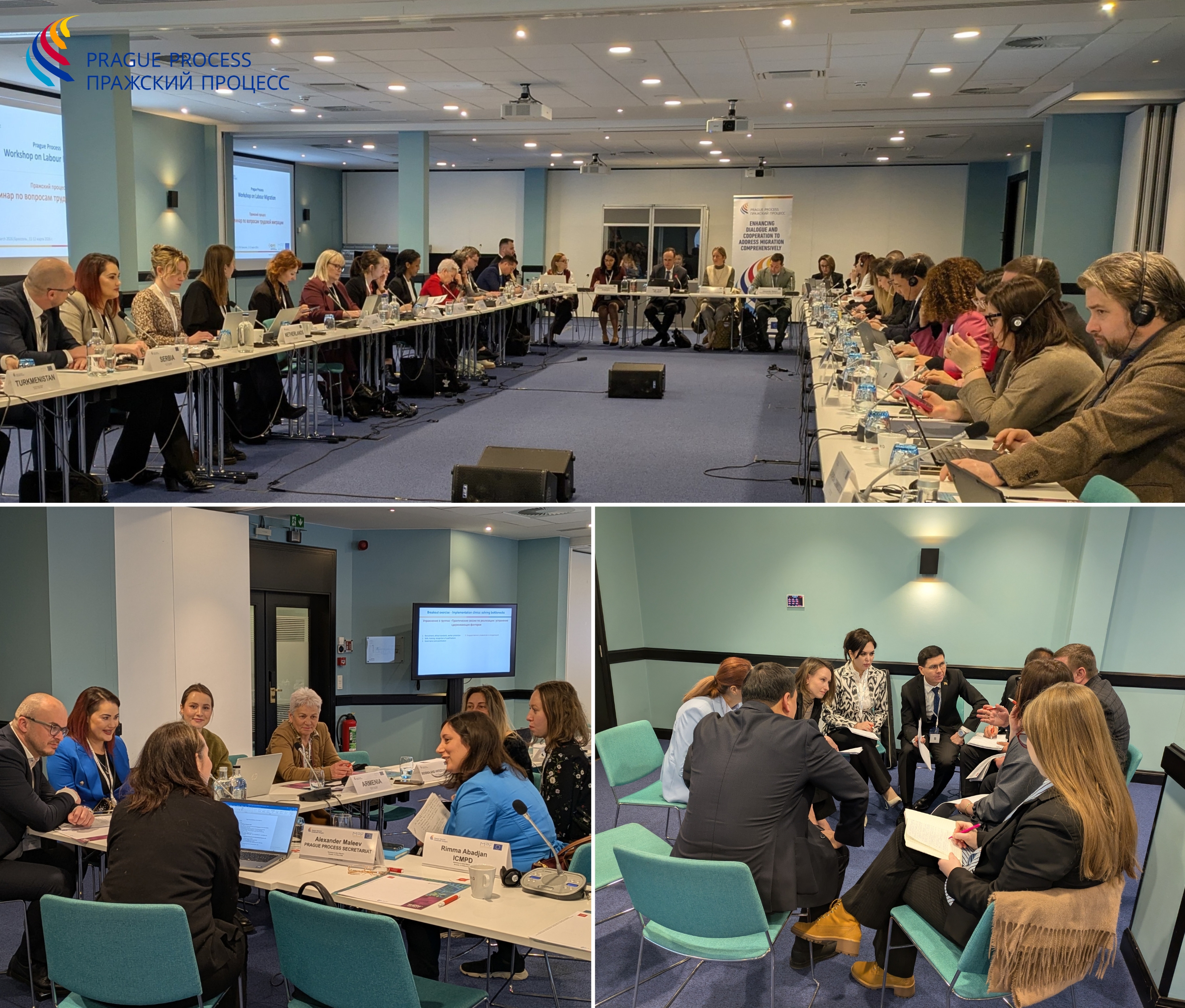
The workshop on labour migration held in Brussels on 11-12 March brought together migration experts, policymakers and practitioners from across the Prague Process region. Amidst acute labour shortages, demographic change and shifting migration patterns, the discussions reflected a growing recognition that labour migration is a central component of economic and migration governance. Participants exchanged experiences on how countries are adapting their systems to attract foreign workers while ensuring fair conditions and effective regulation.
Opening the workshop, representatives of Belgium, Romania and the Cypriot EU Presidency emphasised that well-managed labour migration can benefit all sides, helping economies address workforce gaps, offering opportunities to migrants and supporting development in countries of origin. At the same time, they noted that these benefits depend on strong governance, fair recruitment practices and proper integration support.
Recent developments at EU level set the tone for the pursuant discussions. The European Commission presented new initiatives, including the EU Talent Pool and the EU Legal Gateway, aimed at simplifying recruitment and making Europe more attractive for international talent. Efforts to speed up procedures, reduce administrative burdens and improve coordination between institutions are expected to play a key role in this regard.
Across the region, approaches to labour migration remain diverse. Some countries rely on employer-driven systems, while others apply quotas, labour market tests or shortage occupation lists. Despite these differences, many face similar challenges. Labour shortages persist in sectors such as construction, healthcare, agriculture and IT, while skills mismatches, language barriers and lengthy recognition procedures continue to limit the effective integration of migrant workers.
Discussions also covered key policy and operational dimensions of labour migration, including the EU labour migration architecture and its implementation in national systems, the design of admission policies, and emerging cooperation instruments such as Skills Mobility Partnerships and Talent Partnerships, and other structured mobility schemes. These approaches aim to better align migration with skills development and create more balanced outcomes for countries of origin and destination, as well as for employers and migrants. Particular attention was given to practical aspects of labour mobility, such as recruitment processes, skills development and recognition, worker protection, and governance and coordination mechanisms.
Digitalisation emerged as a common priority, with many countries introducing or planning online application systems, single-window procedures and automated processes. At the same time, participants highlighted the need to strengthen worker protection, improve monitoring of recruitment practices and address risks of exploitation.
The Migration Partnership Facility (MPF) extensively contributed to the discussions by sharing experience from implementing labour mobility projects, highlighting good practices and lessons learned. Its interventions demonstrated how structured partnerships, skills development, and well-designed matching mechanisms can support sustainable and mutually beneficial labour migration pathways.
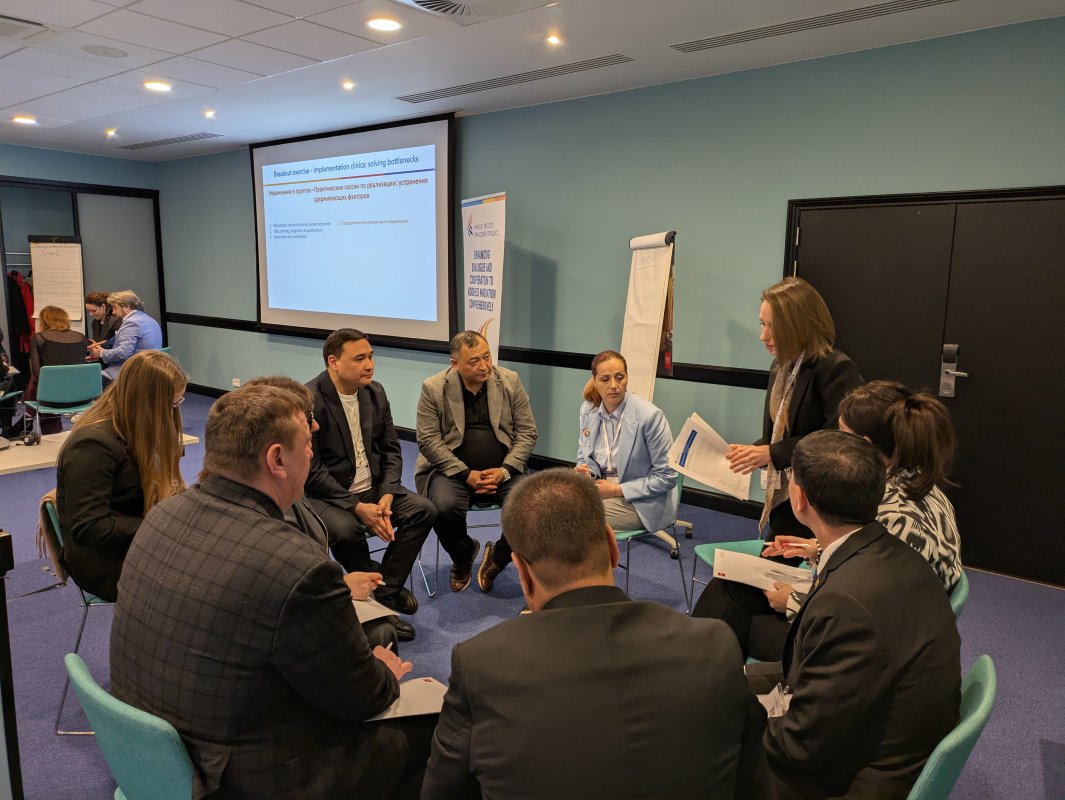
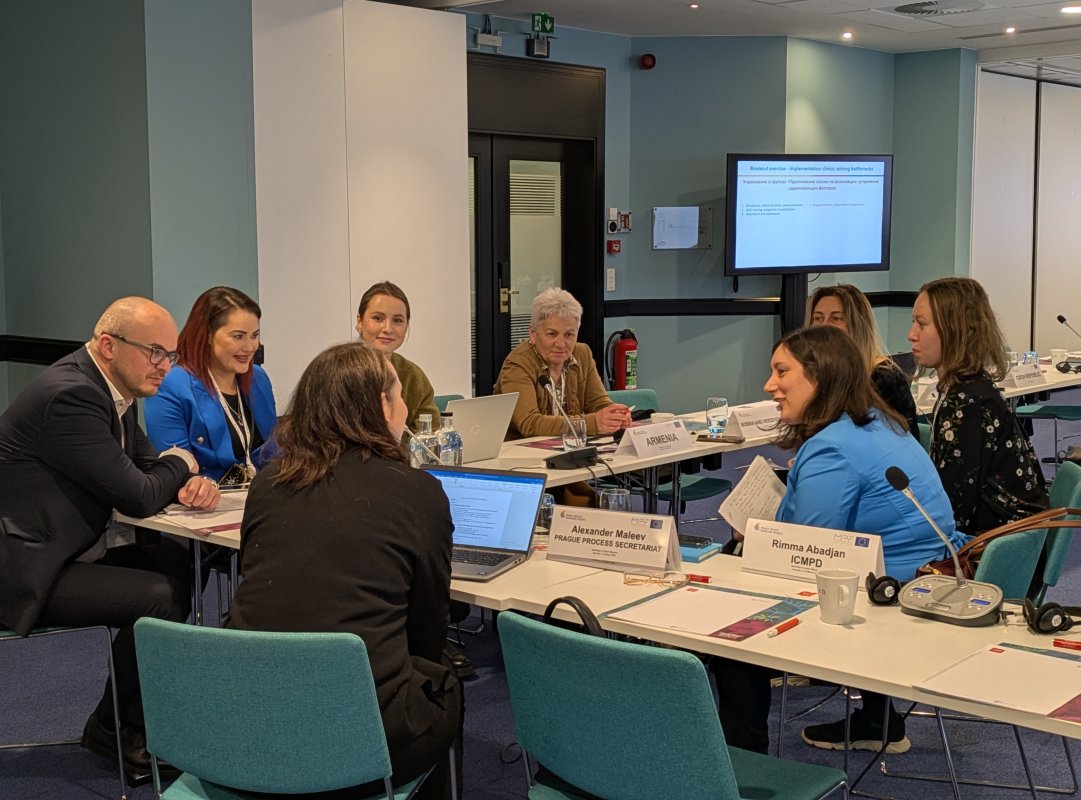
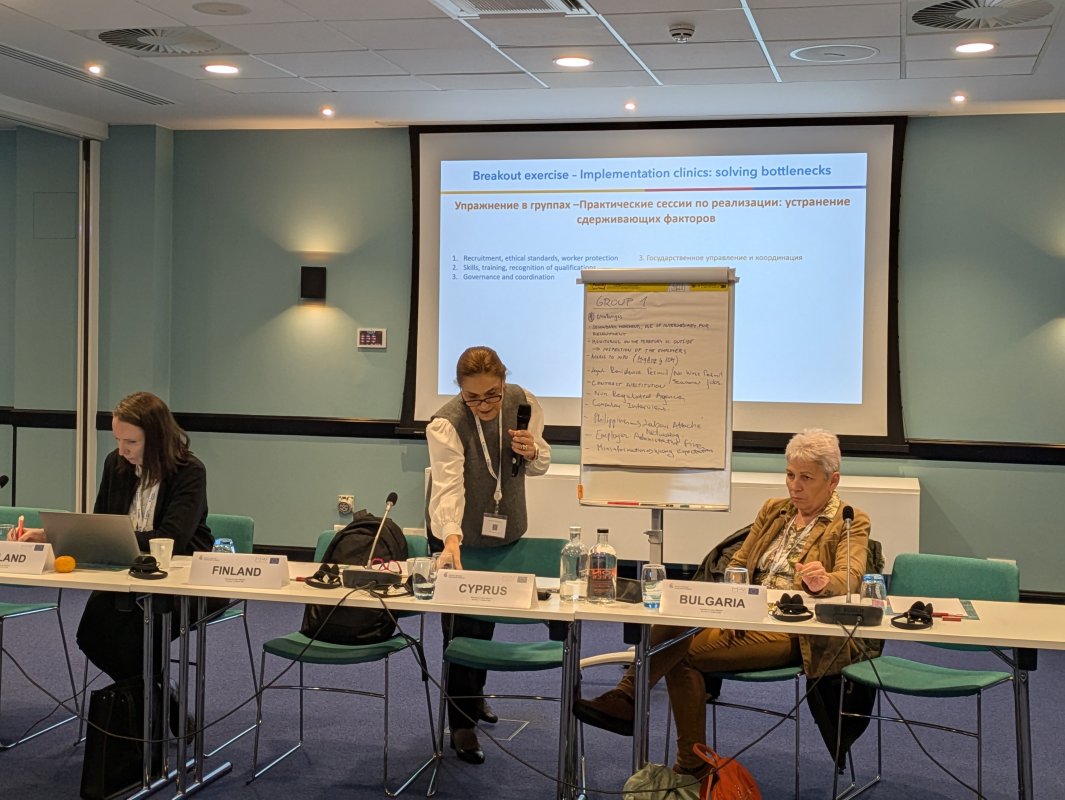
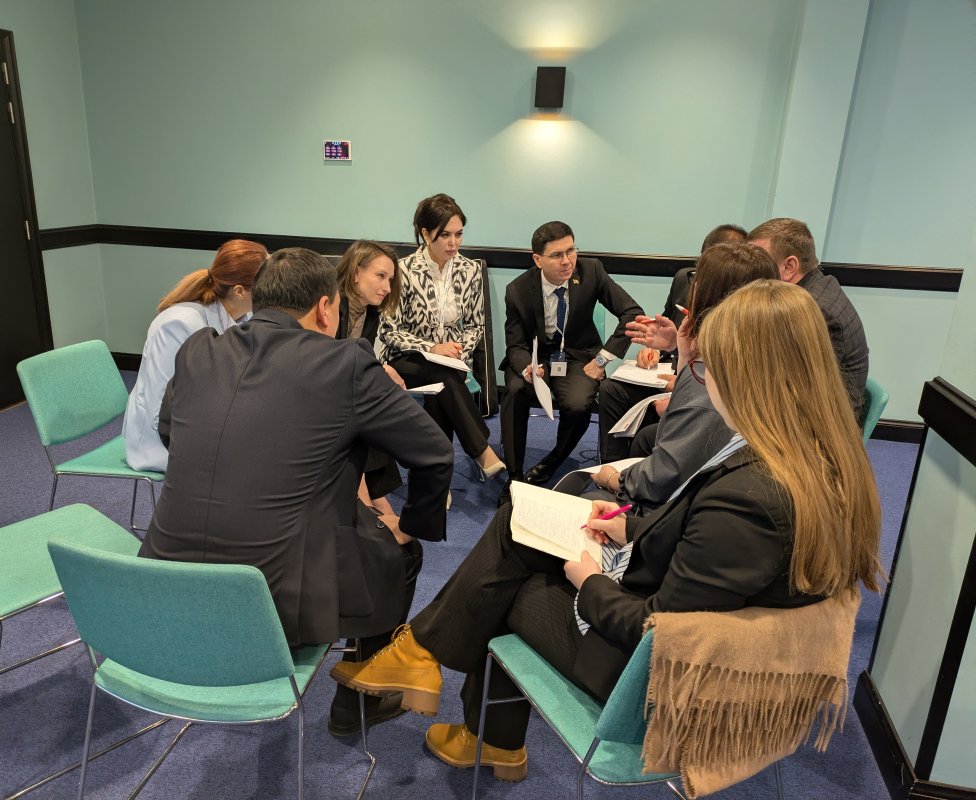
Practical challenges were at the centre of the discussions. In smaller working groups, participants examined issues such as recruitment practices, recognition of qualifications and institutional coordination. Weak oversight of recruitment intermediaries, complex recognition systems and fragmented responsibilities between authorities were identified as key obstacles. Participants pointed to digital tools, stronger inter-agency cooperation and clearer procedures as part of the solution.
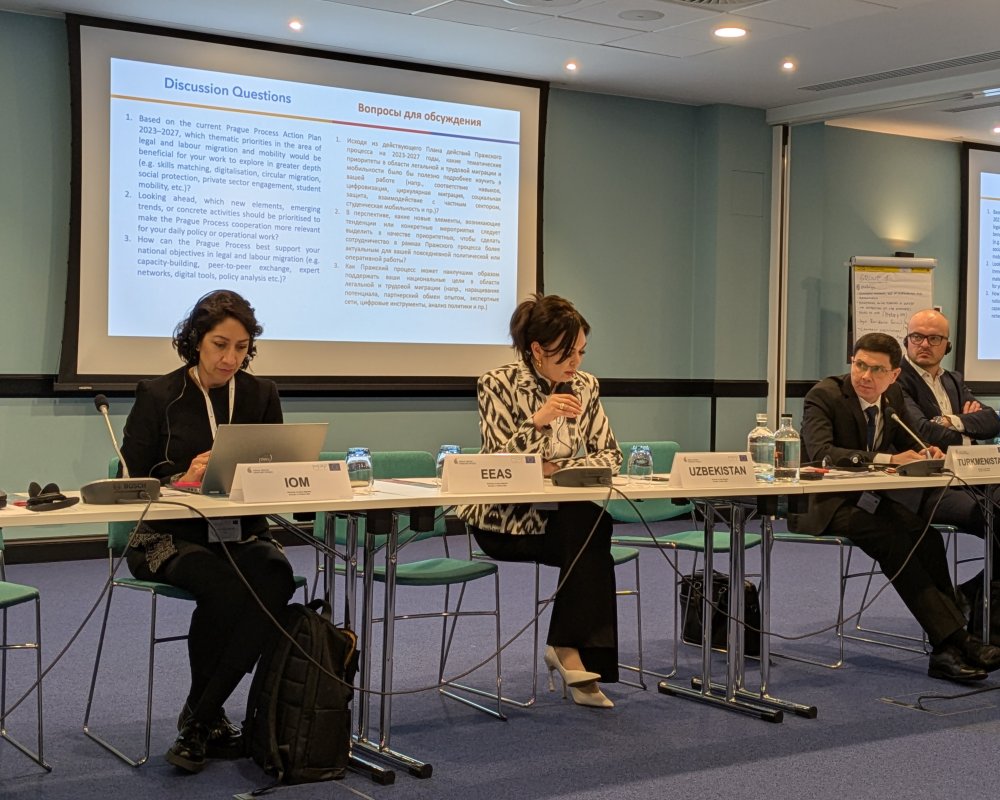
Looking ahead, there was strong interest in deepening cooperation within the Prague Process, particularly on skills matching, qualification recognition, digitalisation and labour mobility pathways such as student and circular migration. The value of peer learning and exchange of practical solutions was repeatedly emphasised.
The workshop underscored a shared reality: while countries may differ in their policies and priorities, many are grappling with the same structural challenges. In this context, platforms such as the Prague Process continue to play an important role in fostering dialogue, sharing experiences and shaping more effective and balanced approaches to labour migration.