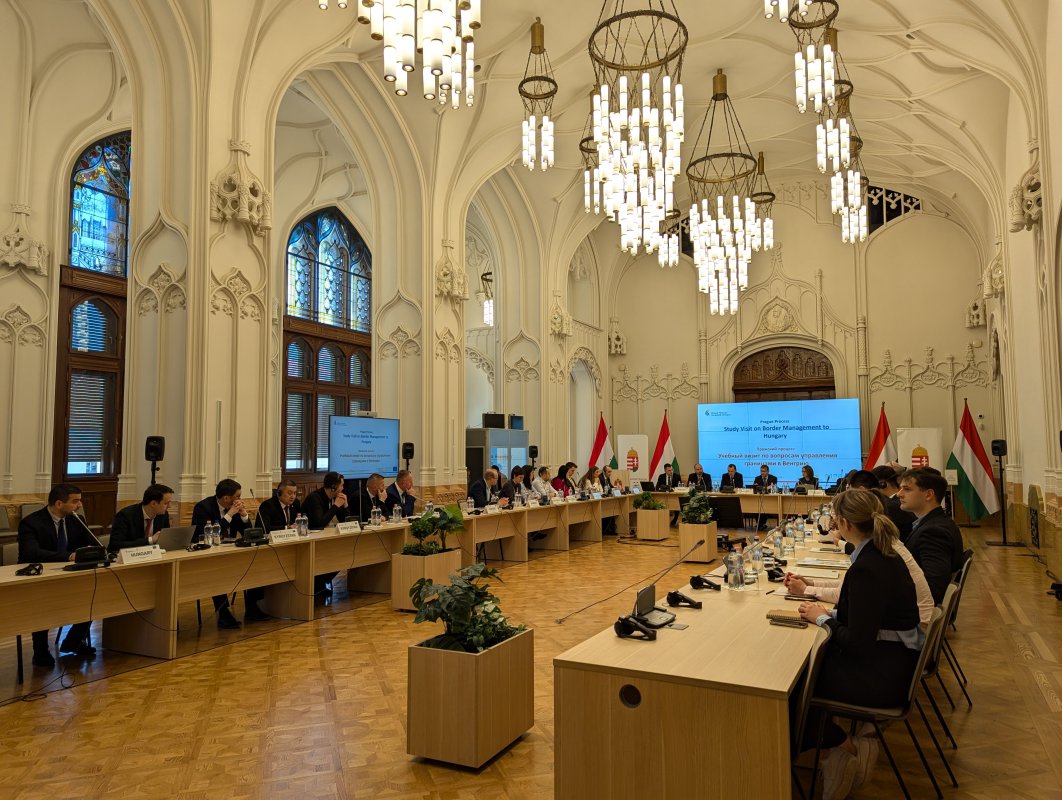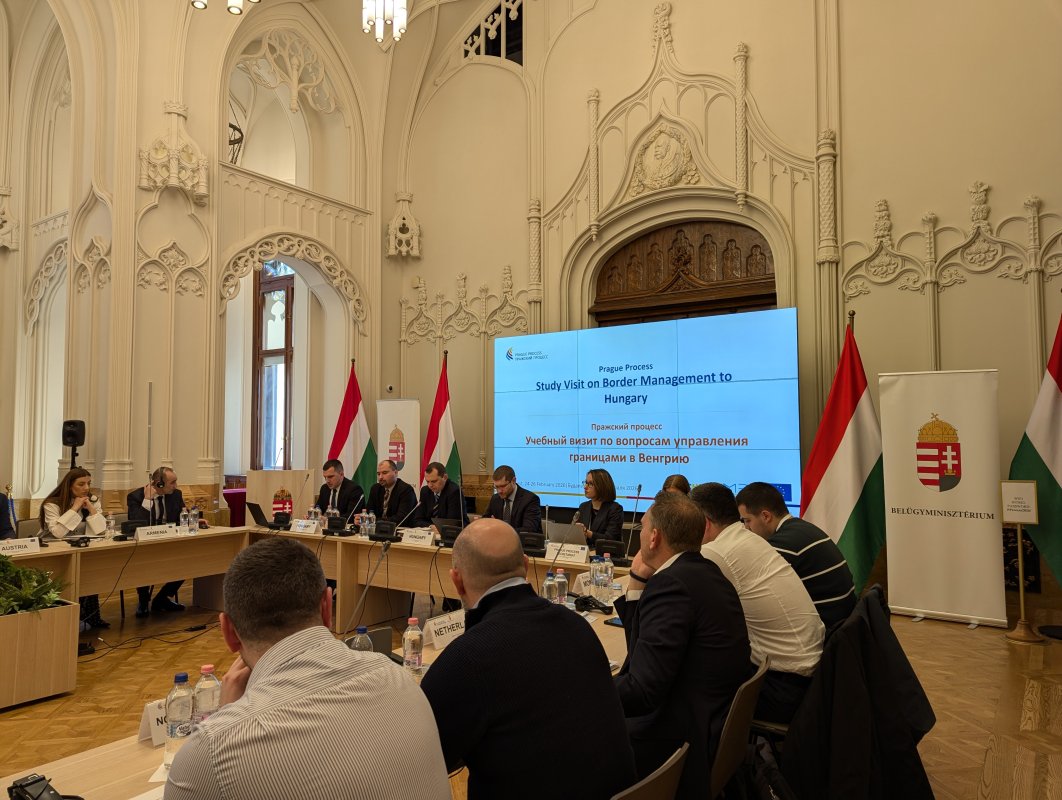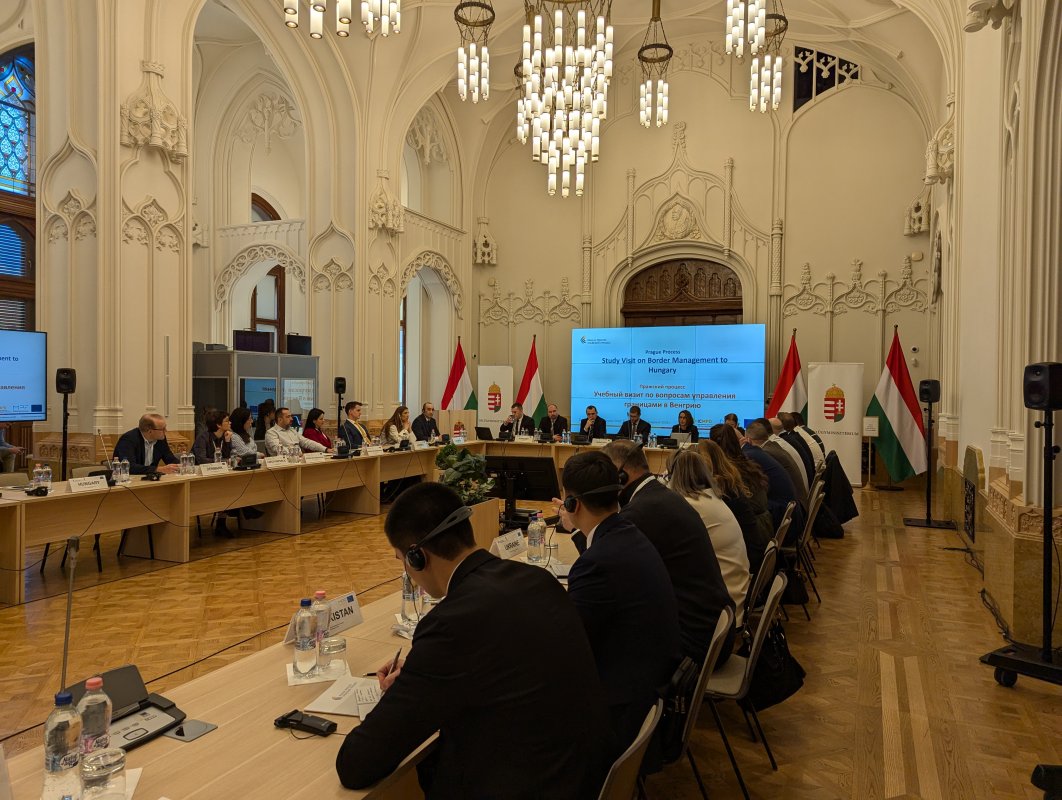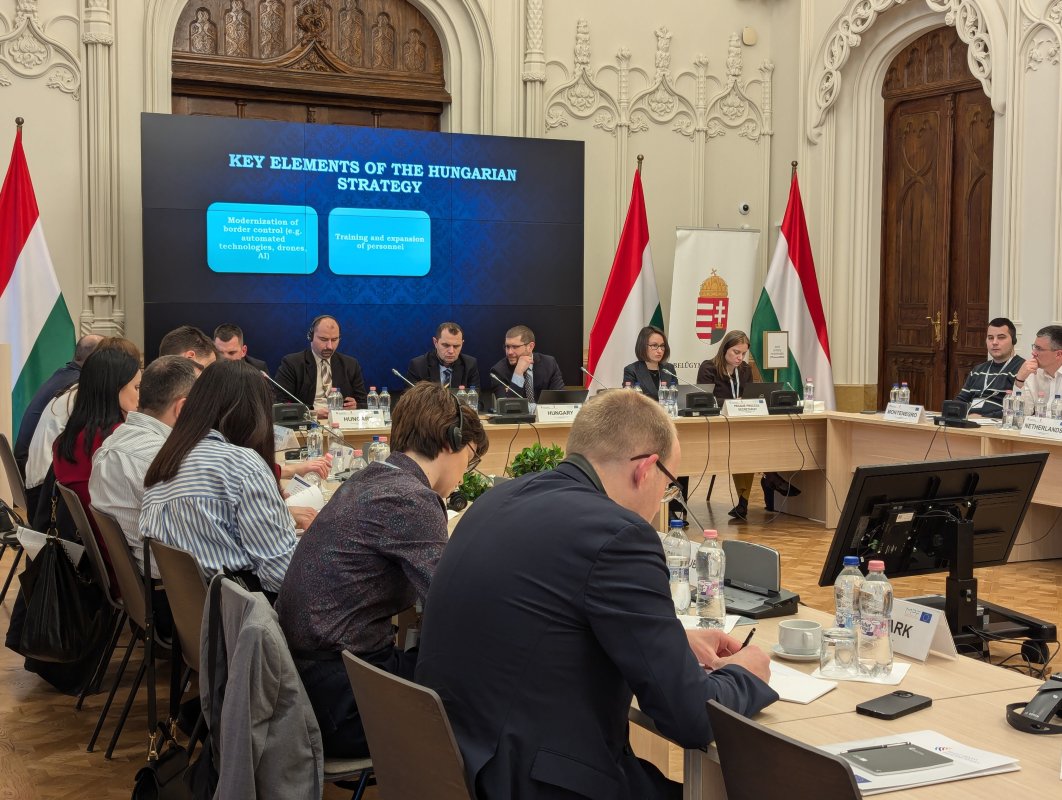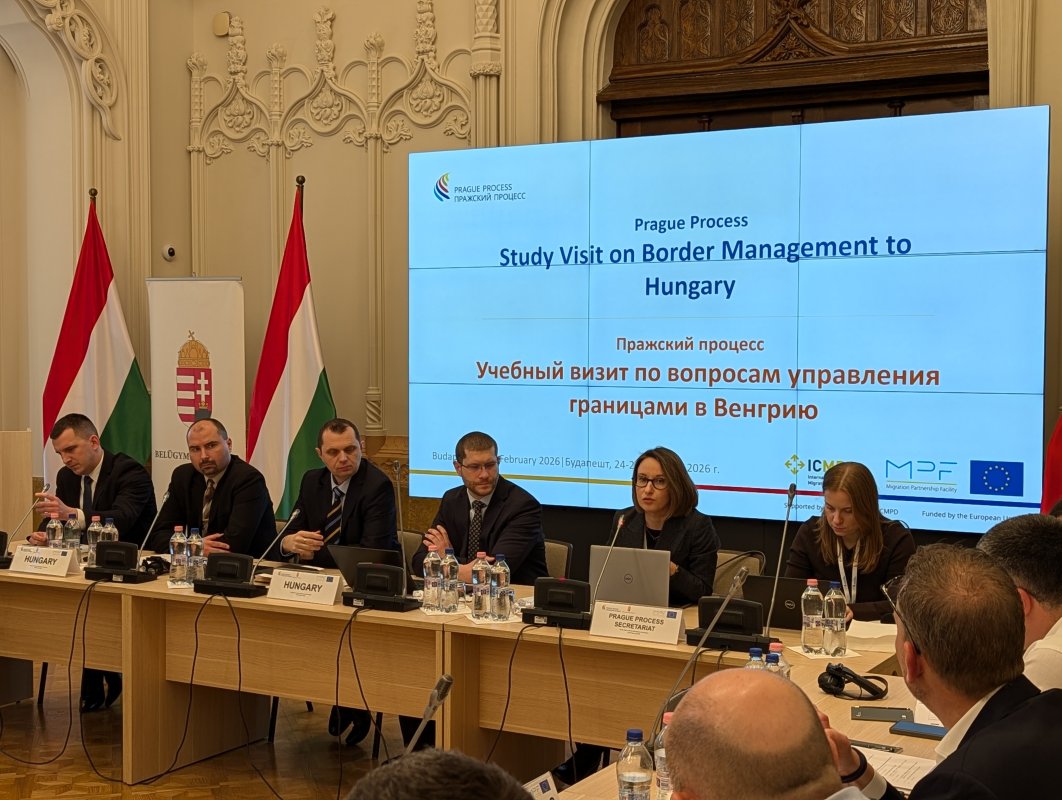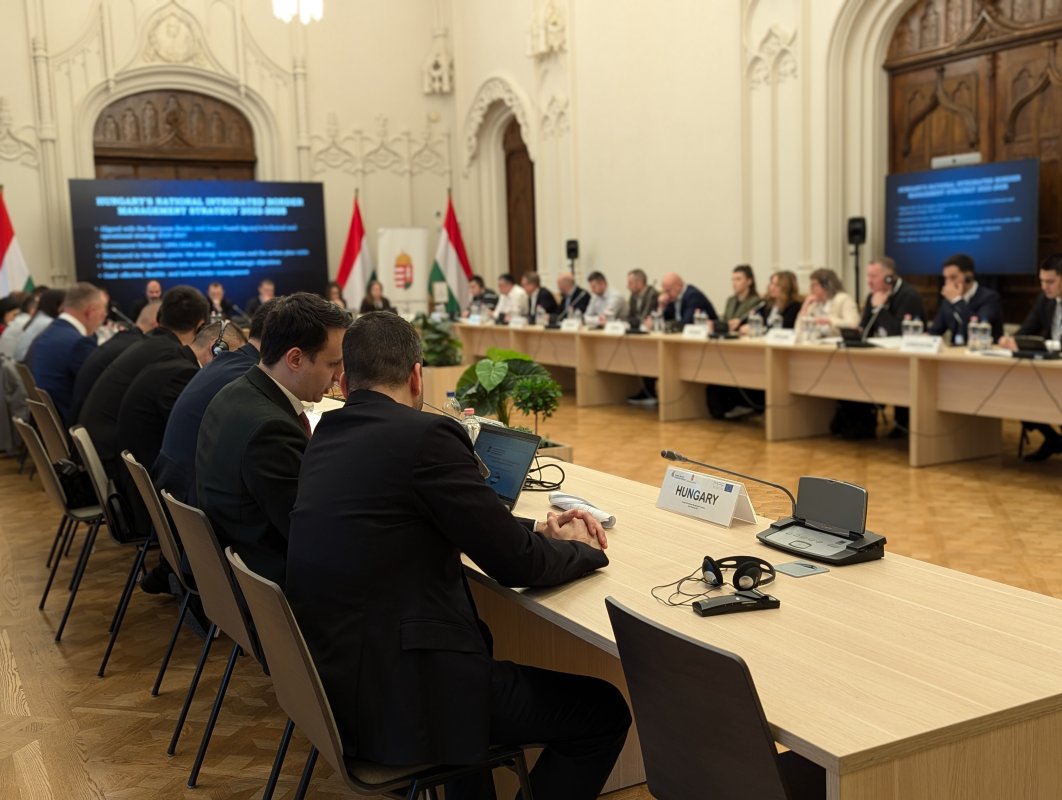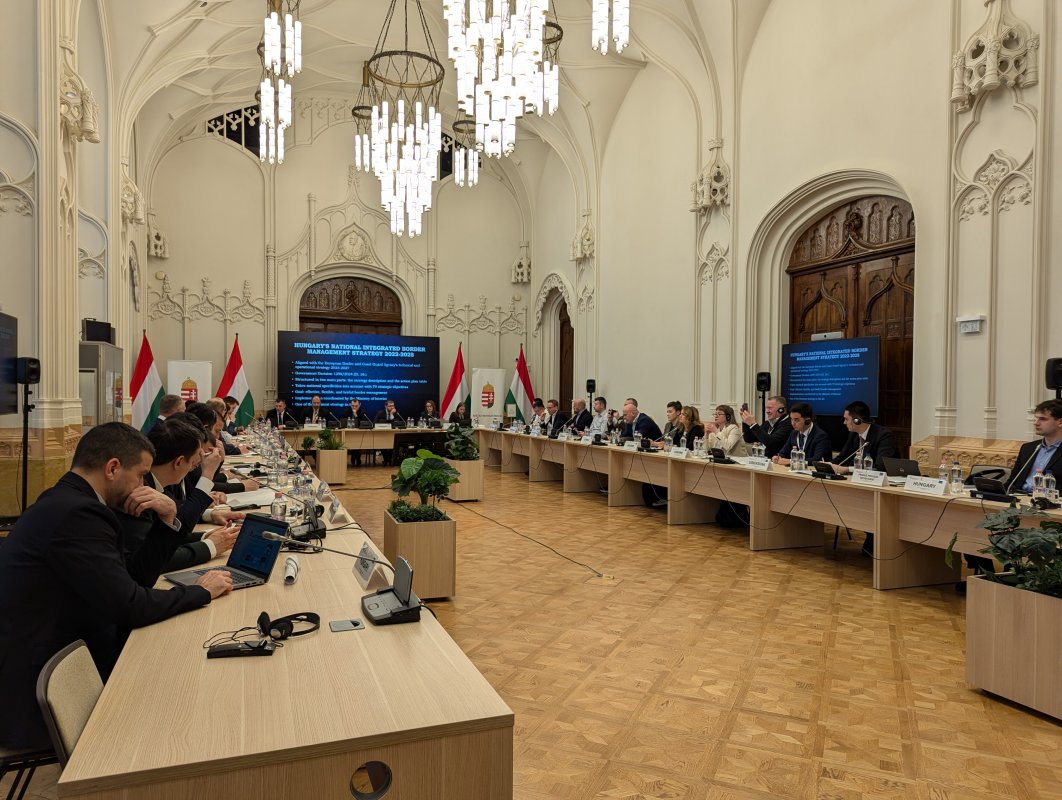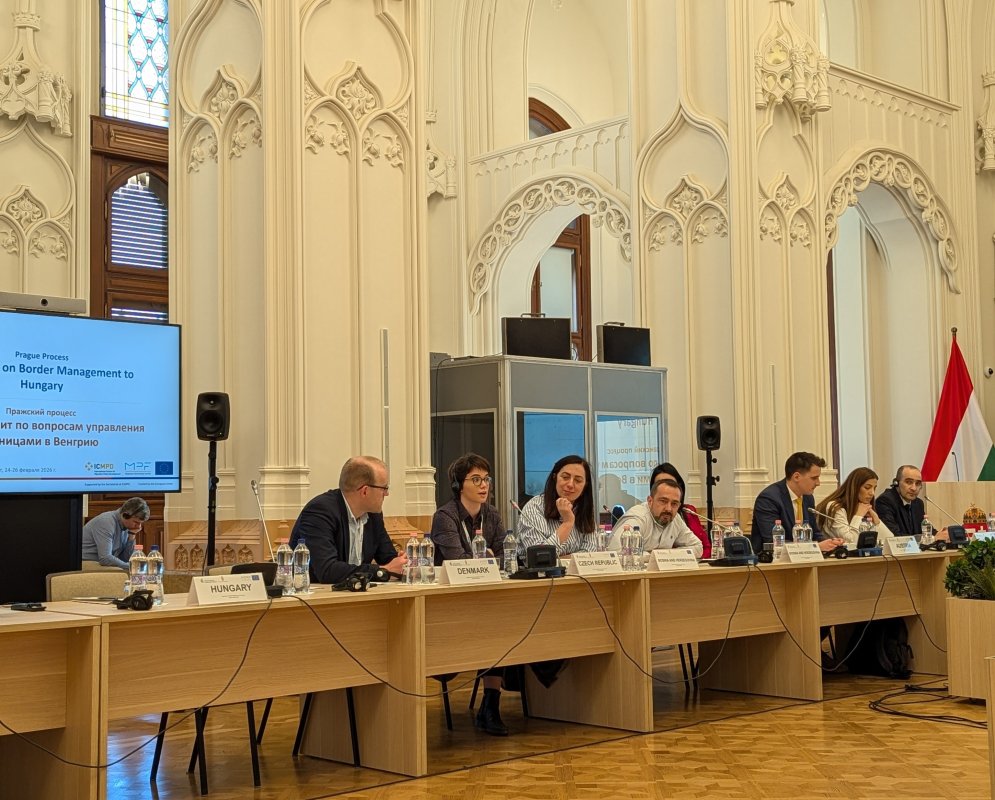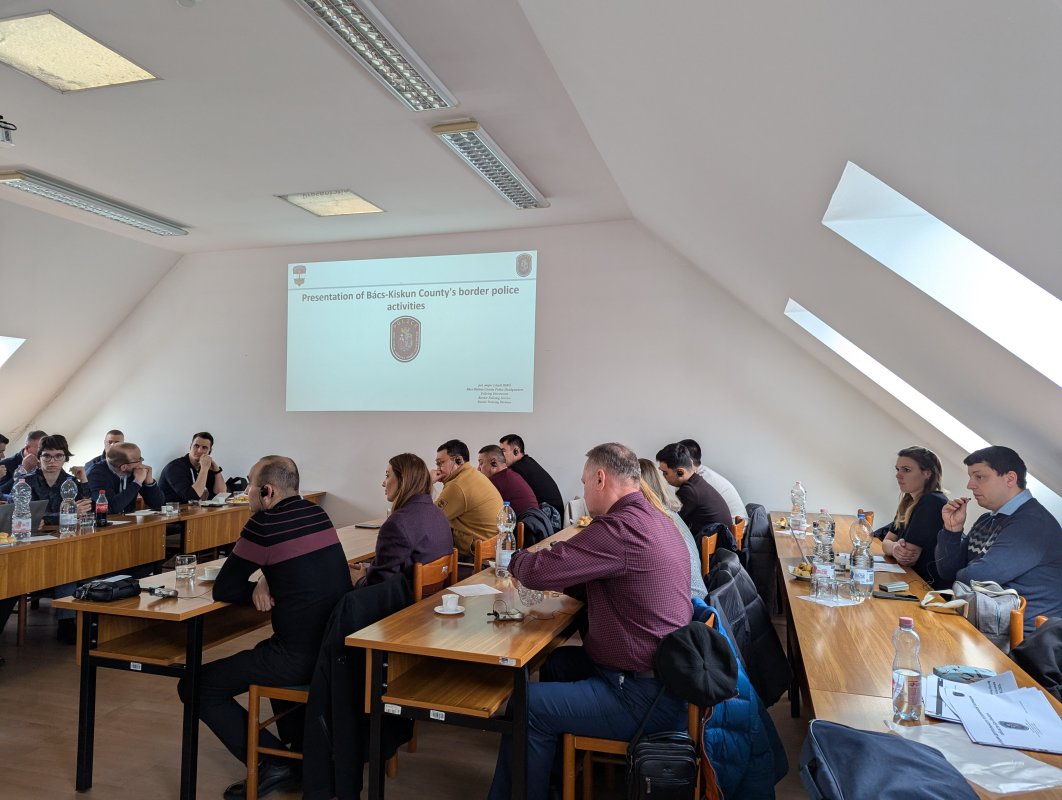
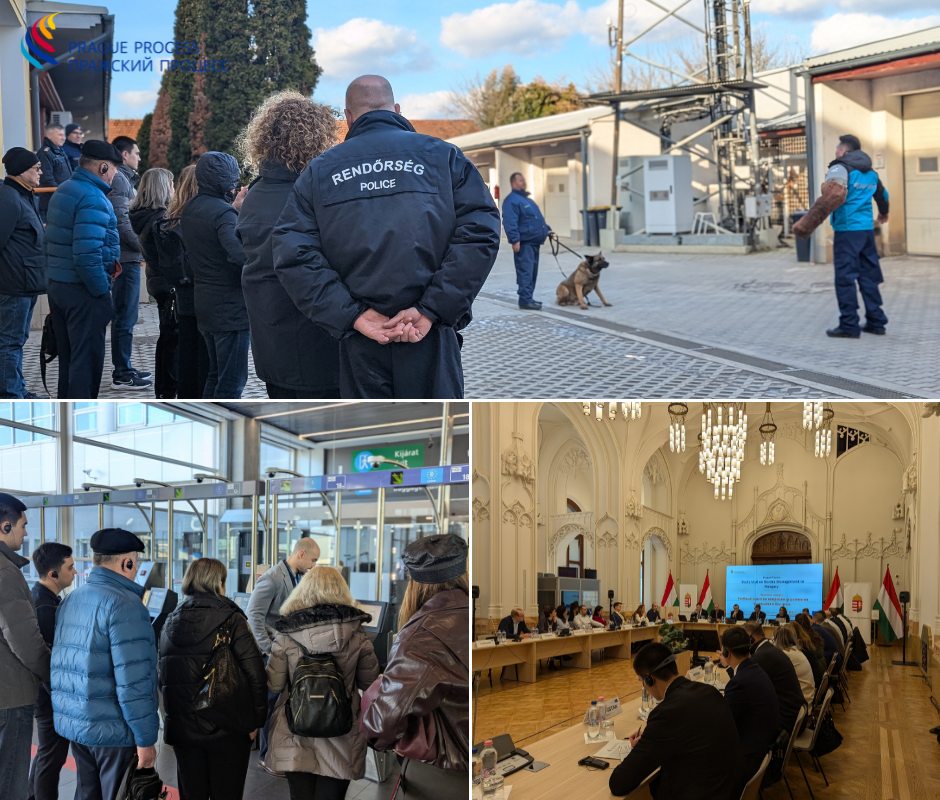
On 24–26 February 2026, the Ministry of Interior of Hungary hosted a Prague Process study visit on border management in Budapest and Bácsalmás, bringing together 38 representatives from 15 participating states. Organised under Thematic Component 1 on preventing and fighting irregular migration and migrant smuggling, the visit offered a comprehensive platform for exchange on integrated border management, combining strategic discussions with hands-on operational insights.
As migration dynamics across the region continue to evolve, border management is increasingly required to respond to shifting routes, adaptive smuggling methods and emerging security risks. The exchanges throughout the visit underlined that effective border governance goes beyond control at external borders, requiring a comprehensive system that integrates prevention, risk analysis, inter-agency coordination, international cooperation and technological innovation.
At the Ministry of Interior of Hungary, the first day of the programme provided an overview of Hungary’s integrated border management system and its strategic response to irregular migration and migrant smuggling. Participants were introduced to the country’s four-tier model, which includes measures in third countries, cooperation with neighbouring states, control at external borders and internal Schengen measures. This approach is anchored in the National IBM Strategy 2022–2028 and reflects a comprehensive, system-based understanding of border management. Particular emphasis was placed on ongoing modernisation efforts, including the deployment of advanced technologies such as automated systems, drones and artificial intelligence, alongside strengthened human resources, risk analysis capacities and crisis response mechanisms. The discussions also highlighted the importance of institutional coordination and the role of international cooperation and information exchange in addressing evolving migration dynamics.
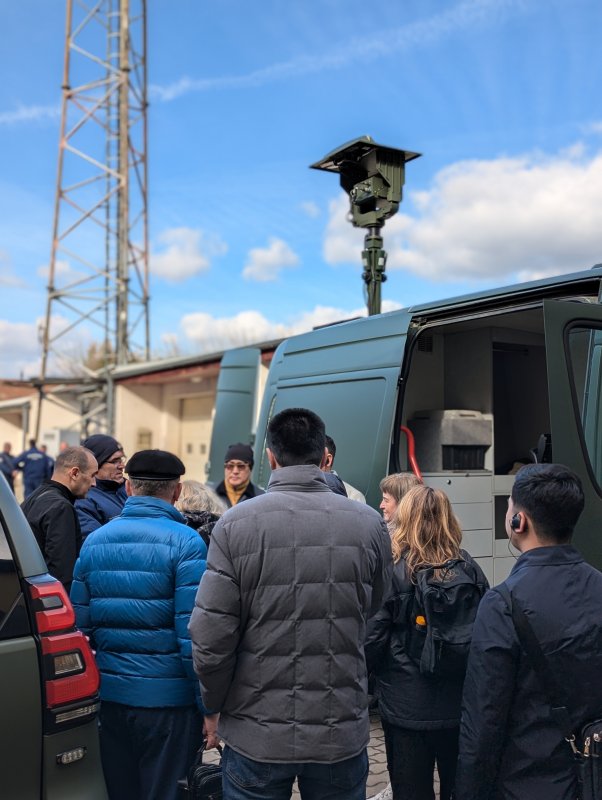
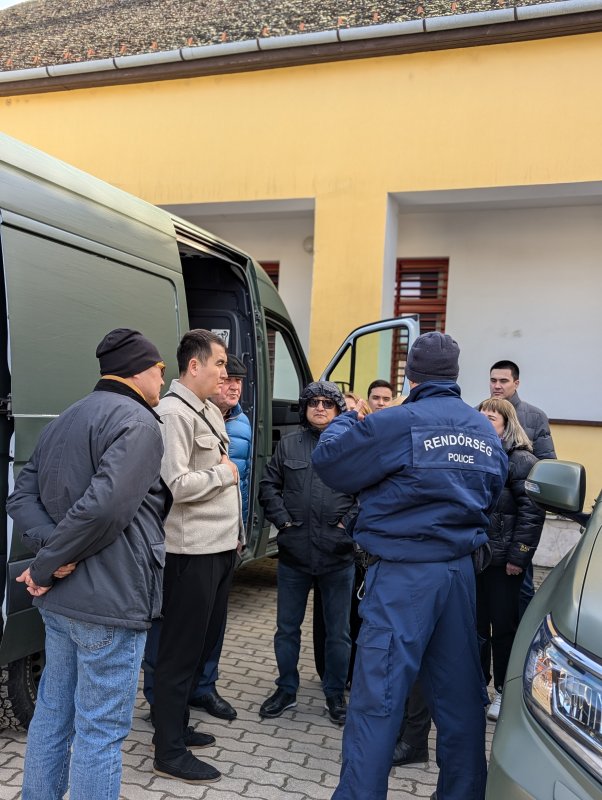
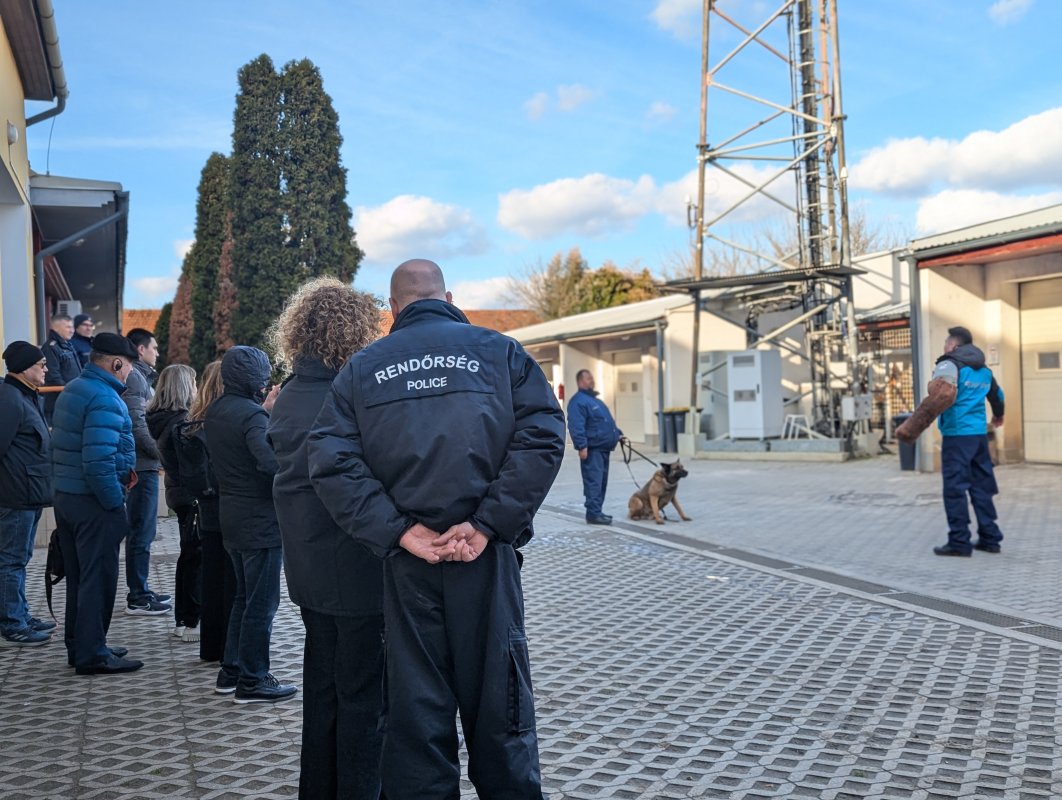
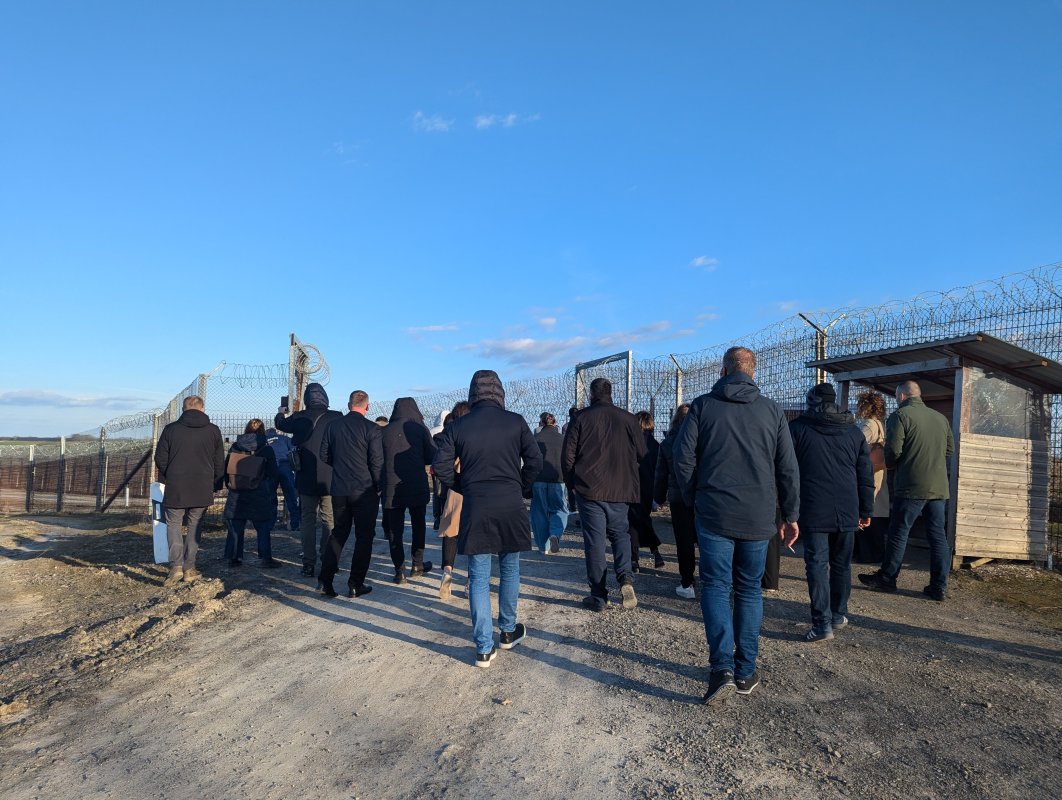
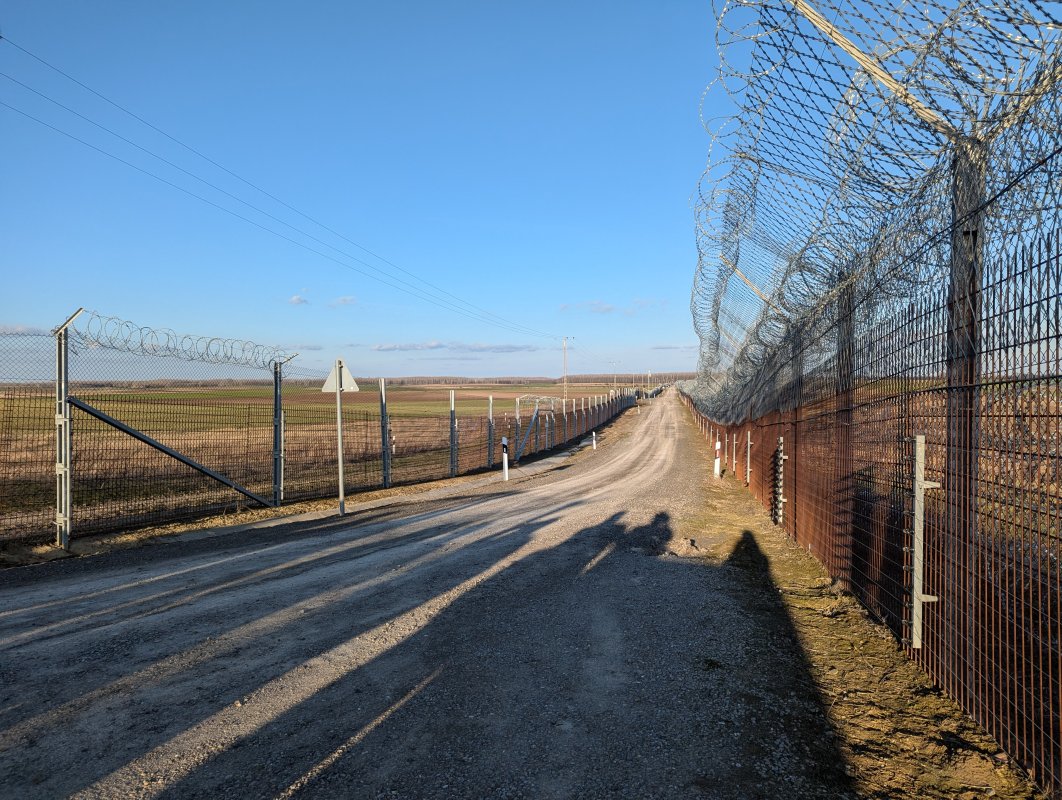
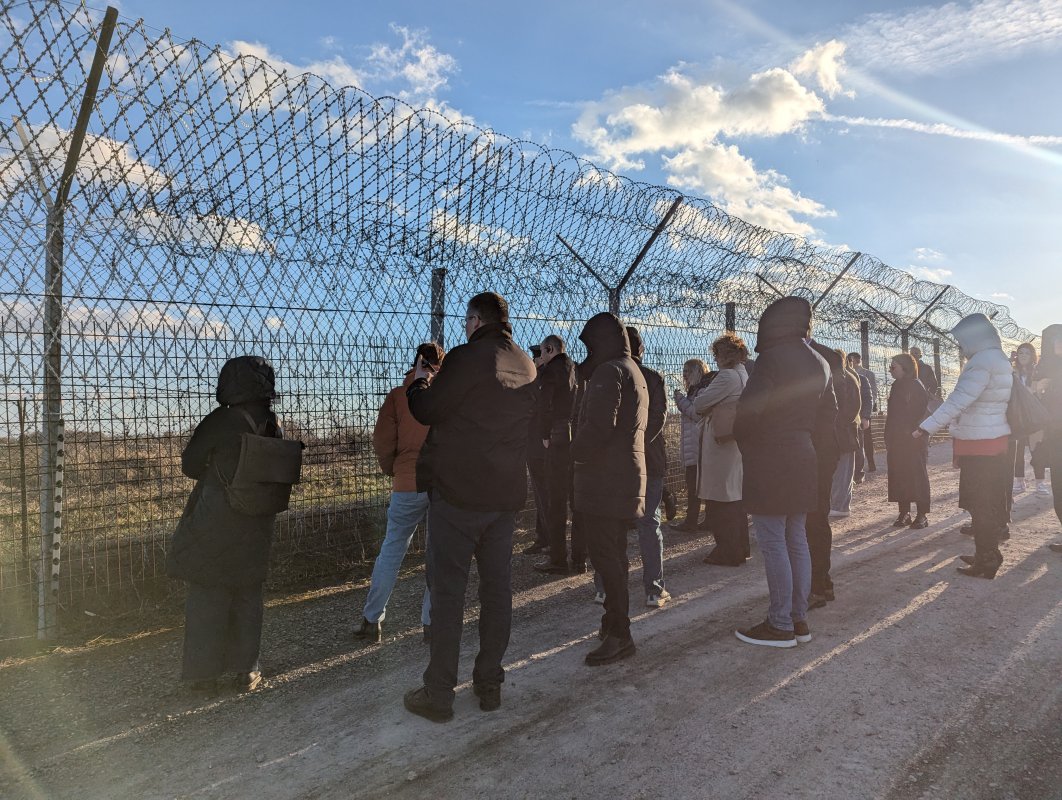
Practical aspects of border management were further explored during the field visit to the Bácsalmás Command Centre at the Hungarian-Serbian border. Participants were introduced to surveillance and control practices, including the use of drones, camera systems and remote monitoring technologies, as well as inspection procedures extending beyond the immediate border area. The visit illustrated how physical infrastructure is combined with coordinated operational measures within Hungary’s border protection system. Discussions also addressed the broader operational context, including the country’s response to irregular migration at its southern border. In recent years, a combination of infrastructure, surveillance and risk-based measures has contributed to a decrease in irregular crossings, while also highlighting the dynamic nature of migration flows, as routes and methods continue to adapt.
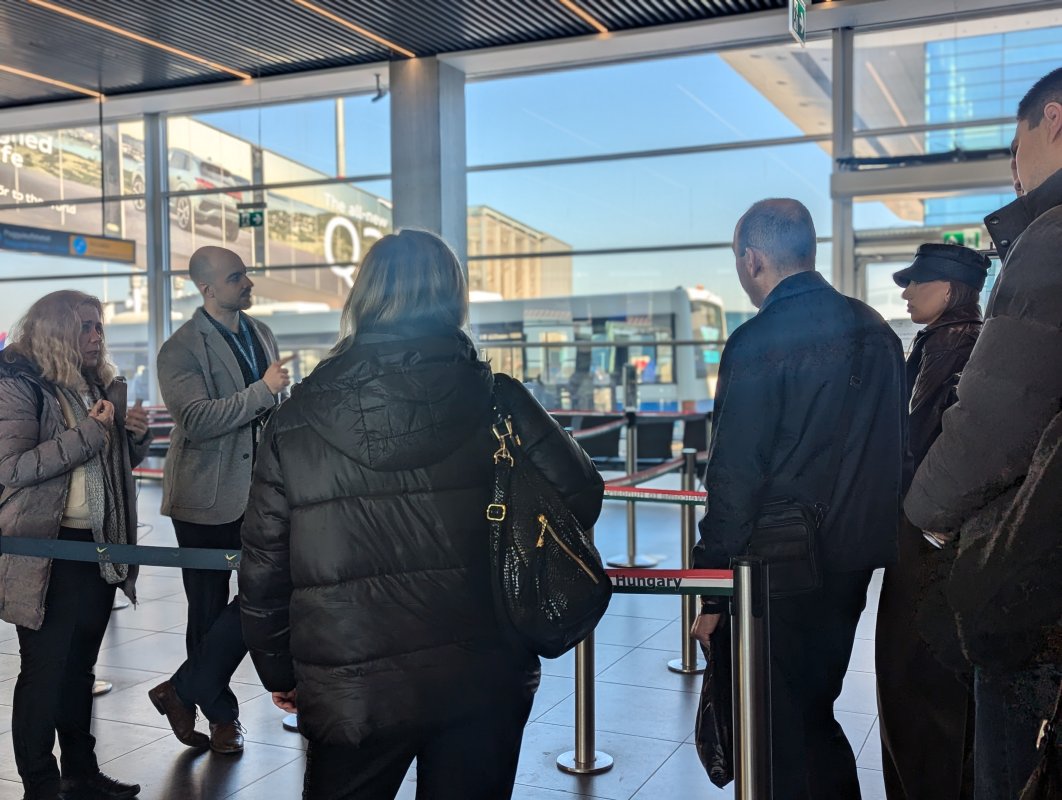
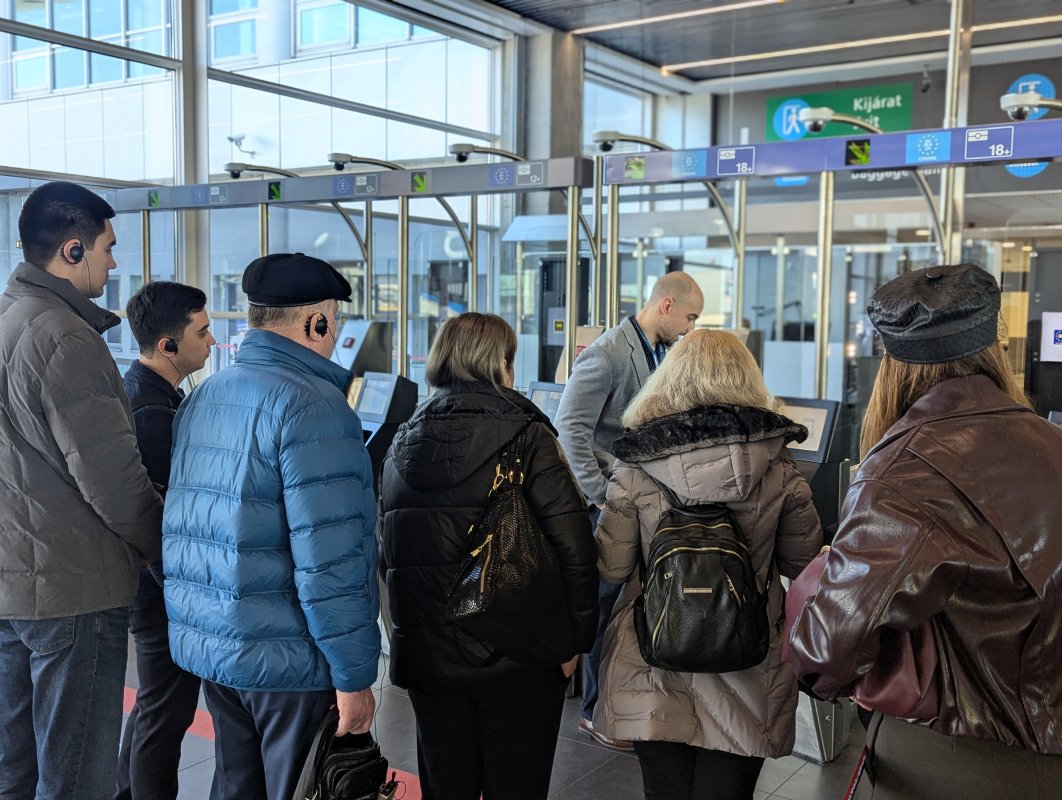
Border management at air borders was addressed during the visit to Budapest Airport, where participants explored procedures related to document security, passenger profiling and return operations. Particular attention was once again given to ongoing digitalisation efforts, including automated border control gates and the Entry/Exit System. The use of risk-based approaches, including pre-boarding checks and passenger analysis, was highlighted as an important tool in detecting fraudulent documents and preventing irregular movements.
Across the Prague Process region, countries apply diverse border management models shaped by their geographical position and migration context. At the same time, many face similar challenges, including shifting migration routes, increasingly complex smuggling networks and the need for timely and reliable risk analysis. Hungary’s integrated and operationally oriented approach provided a valuable point of reference, particularly in the areas of inter-agency cooperation, technology use and evidence-based decision-making. Participants highlighted the added value of direct exchange with practitioners and exposure to operational practices on the ground.